


Waterproofing is one essential part, protecting residential, commercial, and industrial buildings from moisture damage. So, you might be renovating a bathroom, building a new home, or just keeping a commercial property, either way, choosing the right materials can help stop leaks dampness and those costly structural repairs later on. It’s kind of the quiet, unseen shield. When Melbourne builders and property owners look for dependable waterproofing supplies, it’s usually a big step towards building a durable and functional waterproofing system that actually holds up over time.
From waterproof membrane and sealants to primers plus protective coatings, every single product plays a particular part in dealing with moisture really, it’s all kind of linked. If you look at your project’s needs and then choose compatible materials, you can lift the overall performance and also help extend the service life of the finished structure.
Why Are Quality Waterproofing Supplies Important?
Water can get into buildings through cracks, joints, porous surfaces, and areas that are just poorly sealed, sometimes. Over time, the moisture penetration might mess with building materials, make them weak, also encourage mould growth. It can then affect indoor comfort too, not just the surfaces. Using quality waterproofing products helps create a protective barrier, so the unwanted water entry is limited, but only if its correctly specified and installed, of course.
Picking dependable waterproofing supplies in Melbourne is especially important for places that get hit with steady dampness, like bathrooms and balconies, rooftop zones, basements, and also external walls are obvious examples and yeah that matters a lot.
Protect Buildings from Moisture Damage
Waterproofing helps shield concrete, masonry, plasterboard and some other building components, from not wanted water ingress. When you pick a suitable product for the substrate, and for the exposure conditions too it can lower the danger of deterioration. It also helps keep the building’s condition, stable over time and in a sort of sensible way.
Reduce Maintenance and Repair Costs
Water leaks can end up causing damaged finishes, peeling paint and grout that sort of slowly deteriorates, until the end, costly repairs show up. A well thought out waterproofing system can help minimize these risks by dealing with the most vulnerable spots before they turn into a real issue.
Still, even with the best approach, the real kind of protection comes down to selecting the right products, doing strong surface preparation, installing everything properly, and then keeping up with routine maintenance.
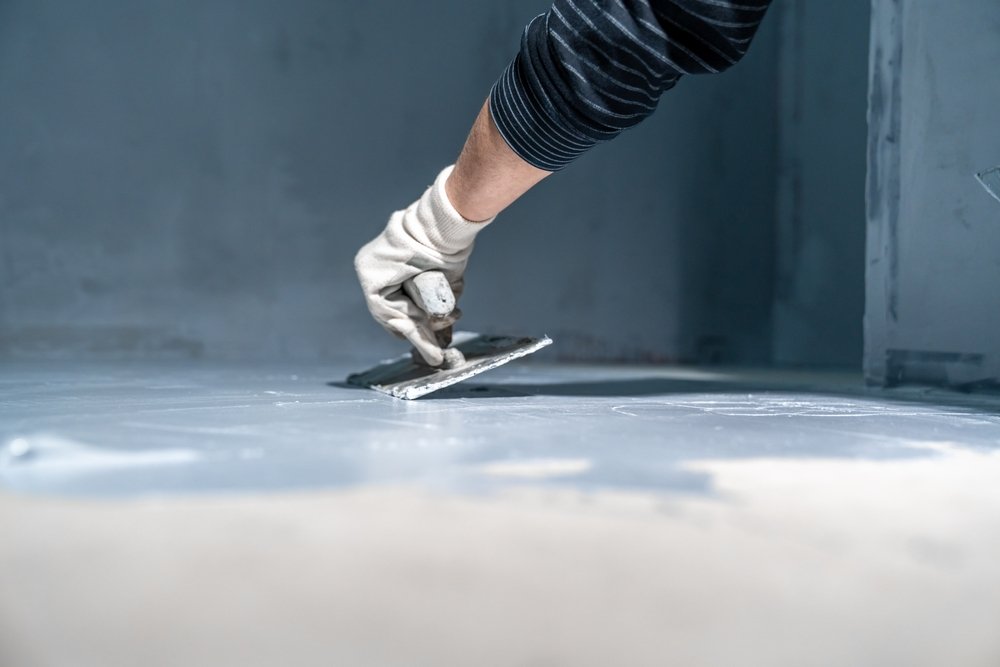
Understand the Different Types of Waterproofing Supplies
Different projects need, different waterproofing materials really. Before you go and buy products, think about the location, the substrate, what kind of water exposure you expect, plus the building requirements that actually apply.
Waterproofing Membranes
Waterproofing membranes make this kind of protective layer, that helps stop water from getting through a surface. Depending on what you need it for, options can be liquid-applied membranes or sheet membranes, or both kind of depending on the job.
Liquid membranes are put on prepared surfaces, and once cured they turn into this continuous coating… you know, sealed and steady. Sheet membranes are different, they’re a manufactured barrier, installed based on the product requirements, and that part really matters.
When choosing waterproofing membranes Melbourne suppliers offer, check that the product is right for the application, the substrate, and the exposure conditions. if it doesn’t match, then the whole thing can fail earlier than expected.
Waterproofing Sealants
Sealants kind of help seal up the tiny gaps and joints, where water could sneak in kind of anyway. People use them around plumbing openings, at joints that have movement, near window edges, and those other more delicate junctions that can get exposed, after a while or when things shift.
Try and pick a sealant that kind of matches what the neighbouring materials are made from, not just any random type. It should also cope with the motion you expect the joint to do, like expansion or contraction, or even a bit of shifting. Then, follow what the manufacturer says about prepping the joint, applying it properly and yeah, timing as well, how long to let it cure before you move on, so on.
Waterproofing Primers
Primers help prepare certain surface types before membranes or coatings are applied, like they kind of “set the stage” a bit. Depending on the system, they might boost adhesion, regulate how absorbent the substrate is, or help the next layers actually perform better.
Always make sure the primer is compatible with the substrate and also with the waterproofing product being used.
Waterproofing Tapes and Accessories
Corners, joints, drains, and pipe penetrations can be a weak spot in a waterproofing system, kind of because those parts get a bit more stress. You can use specialised tapes, reinforcing fabrics, collars and the right matching accessories, and they help, but only when they’re fitted according to the system specifications. At the same time, using compatible accessories matters too, in order to keep continuity across that waterproofing layer, so no gaps or mismatches happen.
Choose Waterproofing Supplies for Your Specific Project
The most suitable waterproofing product depends a bit on where it’s going to be installed, and the conditions it has to withstand. Like, a product made for an internal wet area might not really work well for an exposed rooftop or something below-ground in a structure, because those situations are a completely different sort of stress.
Bathroom and Laundry Waterproofing
Bathrooms, and laundries sort of get plenty of moisture, and occasional water splashes. So, the waterproofing materials need to be right for wet areas, and they also should match up with the planned tiles, the adhesives, the drainage parts, and whatever substrate is underneath.
Make sure you pay close attention to shower recesses, the spots where floors meet walls, the wall corners, and also plumbing penetrations. Proper preparation and correct installation matter a lot here, because it helps stop water from sneaking into hidden building materials.
Balcony and Rooftop Waterproofing
Balconies and rooftops may experience rainfall, direct sunlight, temperature changes, and movement within the structure. These conditions make product compatibility and system design especially important.
When choosing roof waterproofing supplies Melbourne projects require, assess UV exposure, drainage, movement accommodation, and compatibility with the existing surface and any subsequent finishes.
Basement and Foundation Waterproofing
Below-ground areas can be exposed to soil moisture, groundwater, and hydrostatic pressure. Waterproofing requirements depend on the ground conditions, building design, and intended use of the space.
Suitable systems may include external membranes, drainage components, and protective layers designed for below-ground applications. Professional assessment can help determine the appropriate solution for the site.
Concrete and Masonry Waterproofing
Concrete and masonry surfaces can allow moisture to pass through pores, cracks, and construction joints. Depending on the problem, suitable products may include protective coatings, compatible sealants, or specialised cementitious waterproofing systems.
Before purchasing materials, identify the source of the moisture and check whether the proposed product is designed for the substrate and conditions involved.
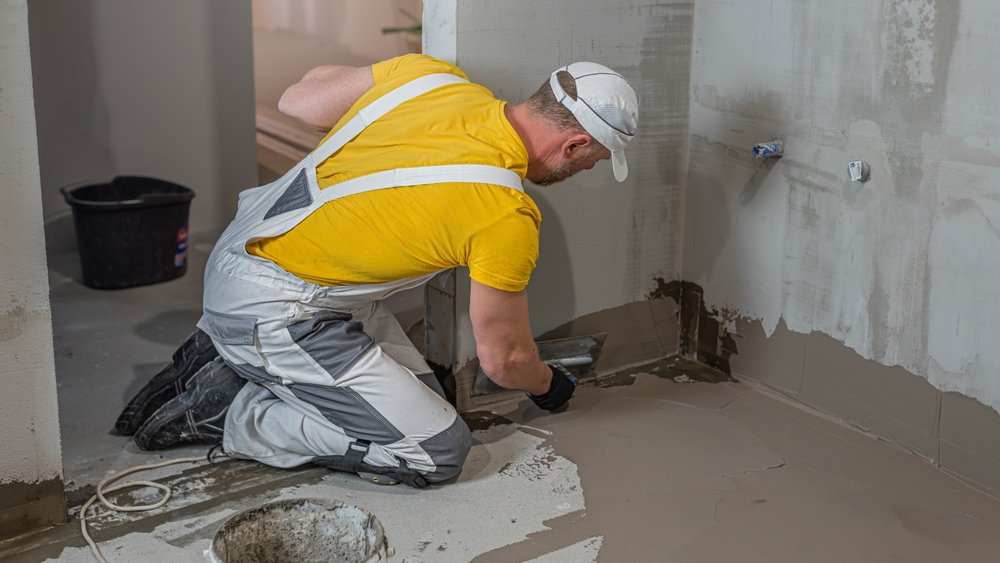
Factors to Consider When Buying Waterproofing Supplies in Melbourne
Choosing materials based on price alone may result in an unsuitable product or an incompatible system. Evaluating product specifications and supplier support can help you make a better purchasing decision.
Product Quality and Compatibility
Check technical data sheets for information about application methods, substrate requirements, coverage rates, curing times, and suitable environmental conditions.
Products used together should form a compatible system. Combining unrelated membranes, primers, adhesives, or sealants without confirming compatibility may compromise the finished result.
Australian Building Requirements
Waterproofing work must meet applicable building requirements and relevant Australian Standards for the particular application. Confirm the requirements for your project and ensure the selected products and installation methods are appropriate. For regulated building work, seek advice from a suitably qualified professional when necessary.
Supplier Reliability and Product Availability
A dependable supplier can help you identify suitable products, understand technical specifications, and source the materials needed for your project.
When comparing waterproofing suppliers Melbourne has available, consider product range, technical support, availability, delivery arrangements, and access to compatible accessories.
Coverage, Budget, and Application Requirements
Calculate the surface area that needs treatment and review the manufacturer’s recommended coverage rate. Allow for the specified number of coats, surface texture, and any additional requirements stated in the product documentation. Comparing products by their total system cost, rather than the price of an individual container, can help you budget more accurately.
Common Waterproofing Mistakes to Avoid
Even quality materials may fail when the waterproofing process is not completed correctly. Avoiding common mistakes can help improve the reliability of the finished system.
Poor Surface Preparation
Dust, grease, loose material, and unsuitable moisture levels can affect adhesion. Prepare the substrate according to the product instructions before applying primers, membranes, or coatings.
Using Incompatible Products
Not every primer, membrane, adhesive, or sealant works with every other product. Check compatibility before combining materials and follow the recommended system specifications.
Ignoring Corners and Penetrations
Corners, drains, pipe openings, and joints often need a bit more careful detailing. Use the specified reinforcing accessories and the installation methods that go with them, so you keep that continuous waterproof barrier in place, you know. Also make sure the whole run stays properly sealed, not just parts of it, otherwise it can become a bit of a weak point later.
Rushing Application and Curing
If you apply the products too thickly, or you go light on the coats, then put the later layers on before the full curing time is done, the whole performance can take a hit. Just follow the manufacturer’s instructions closely, especially for how thick to spread it, when to recoat, and what curing conditions to use.
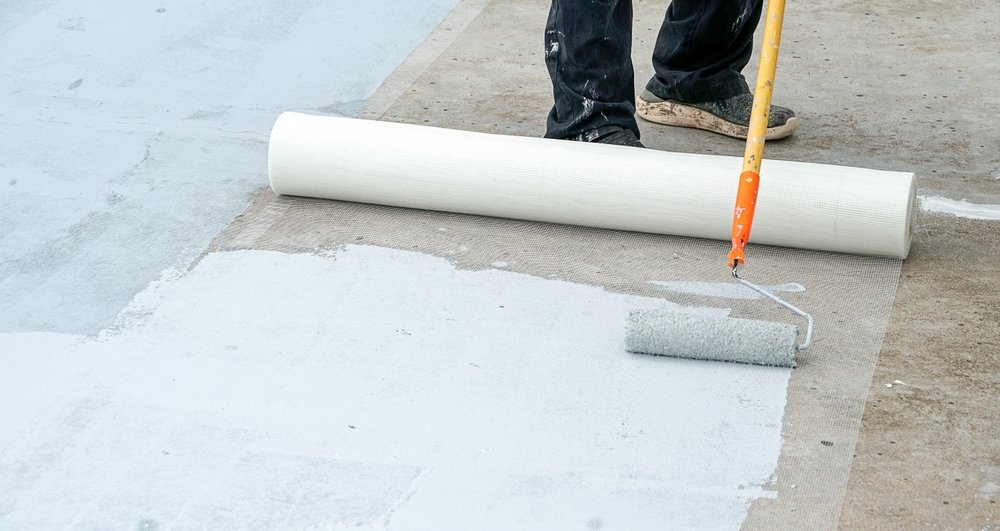
Benefits of Working with Experienced Waterproofing Professionals
Although some products might work for basic upkeep tasks, more involved waterproofing projects usually need a bit of professional assessment and set-up, or maybe “hands on” checking. In most cases, seasoned contractors can sort out the likely moisture pathways, verify the substrate conditions correctly, and then pick materials that match the exact intended purpose not just slap on a general fix.
Getting that kind of guidance can also make it clearer whether you’re actually looking at a completely new waterproofing membrane, or if a few joint repairs, better drainage, or some other remediation route is enough. And sometimes, honestly, it helps you figure out what is truly required rather than just assuming.
For builders, renovators and property owners sourcing waterproofing materials Melbourne projects demand, it really helps to work with informed suppliers and credentialed installers. That way you tend to reduce compatibility issues, and you can support better long-term outcomes.
Conclusion
Choosing the right waterproofing supplies is kind of essential for protecting buildings against moisture penetration, and to avoidable damage too. From membranes and primers to sealants and reinforcing accessories, every component should be suitable for the project plus, compatible with the wider waterproofing system, so everything stays in place and doesn’t underperform later.
Before purchasing waterproofing supplies, Melbourne projects usually ask you to look at the location, the substrate, how the water behaves, the installation conditions, and any building requirements that apply. Then, compare product specs, check with trustworthy suppliers, and if it feels necessary seek professional advice, because it’s kind of smarter than just guessing later.
With careful planning, solid materials, and a correct installation method, you can build a more dependable water barrier system which helps protect your property and keep its condition pretty stable over time.

