


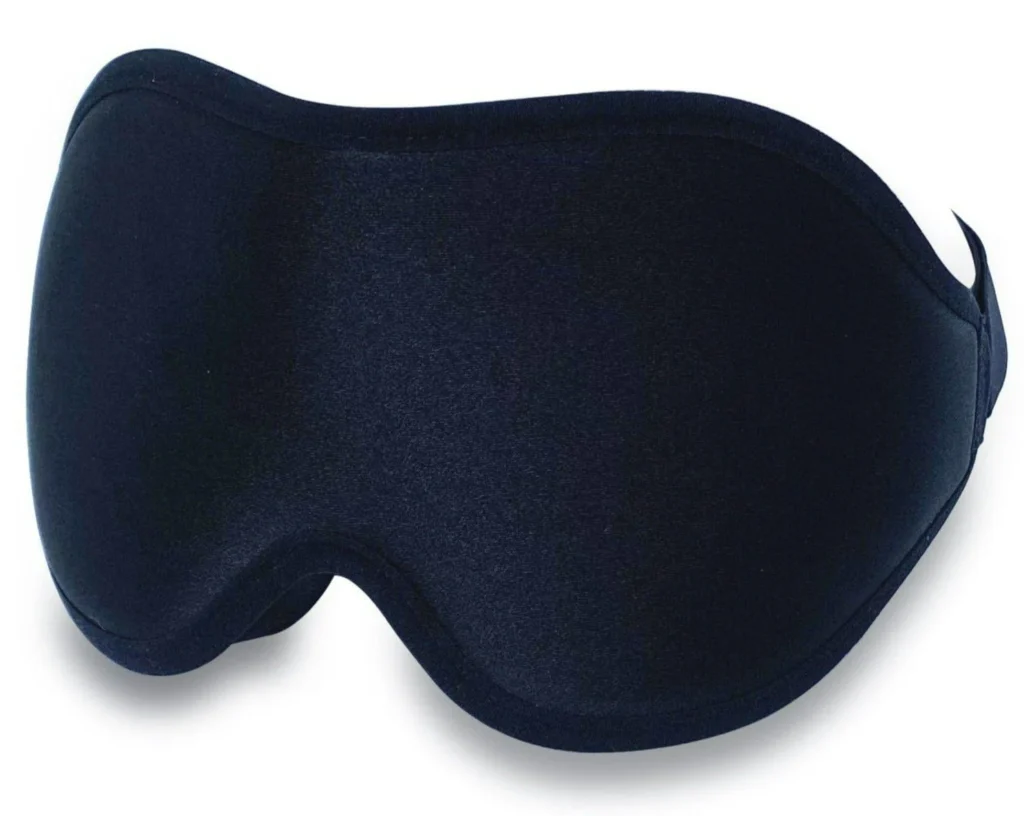
An effective Eye sleep mask supports better rest by blocking unwanted light and maintaining a stable sleep environment. Comfort plays a major role in deciding whether the mask becomes part of a daily routine or stays unused. A poorly designed mask can create pressure, heat buildup, or irritation around sensitive facial areas. A well-designed option supports natural sleep positions and stays stable throughout the night. Choosing the right sleep mask requires attention to material, fit, design, and breathability for consistent and uninterrupted sleep quality.
Personal Sleep Needs
Understanding sleep needs helps narrow down the right type of sleep mask. Some individuals require complete darkness due to sensitivity to light, while others need partial blocking for relaxation. Work schedules such as night shifts or irregular hours also influence mask selection. Sleep position matters as well since side sleepers need thinner profiles and back sleepers benefit from structured padding. Evaluating daily sleep patterns, room lighting conditions, and travel habits helps determine the most suitable mask style for long-term comfort and practical use.
Choosing the Right Material for Skin Comfort
Material selection directly impacts comfort because it remains in contact with delicate facial skin. Silk provides a smooth texture that reduces friction and prevents irritation. Cotton offers breathability and works well in warmer climates. Memory foam molds to facial contours, providing structured support for deeper comfort. Each material performs differently depending on temperature and skin sensitivity. Selecting a fabric that feels soft and breathable ensures long-term wearability while preventing discomfort such as sweating, redness, or pressure marks during extended sleep sessions.
Importance of Effective Light Blocking Design
A sleep mask must block light completely to support uninterrupted sleep cycles. Poor design often allows light to enter through gaps near the nose or cheeks, reducing effectiveness. Contoured shapes help seal these gaps and improve darkness levels. Some designs include molded eye cups that prevent direct pressure on the eyes while maintaining space for natural blinking. A well-structured mask ensures balanced coverage and airflow. Proper light-blocking design plays a key role in improving sleep depth and reducing nighttime disturbances.
Achieving the Right Fit with Adjustable Straps
Fit determines how comfortable a sleep mask feels throughout the night. A loose mask may slip off during movement, while a tight one can cause headaches or pressure discomfort. Adjustable straps allow customization based on head size and sleeping position. Soft elastic bands or Velcro closures provide flexibility without causing irritation. A stable fit ensures the mask remains in place during position changes. Proper adjustment enhances comfort, reduces friction, and supports uninterrupted sleep without frequent repositioning or discomfort.
Weight Distribution and Pressure Control
Weight distribution plays a significant role in sleep mask comfort. Heavy masks may create pressure points around the nose, eyes, or forehead, leading to discomfort during extended use. Lightweight designs reduce strain and improve overall wearability. Even distribution ensures no single area bears excessive pressure. This is particularly important for individuals with sinus sensitivity or headaches. A balanced mask feels almost unnoticeable during sleep, allowing the user to rest naturally without distraction or physical discomfort throughout the night.
Breathability and Temperature Regulation
Breathability is essential for maintaining comfort, especially in warm environments. Masks made with non-breathable materials can trap heat, causing sweating and irritation. Breathable fabrics allow airflow around the eyes, keeping the skin cool and dry. This reduces discomfort and prevents frequent removal during sleep. Proper ventilation also helps maintain consistent sleep cycles by reducing overheating. For individuals who naturally sleep hot, breathable sleep masks significantly improve comfort and ensure uninterrupted rest throughout the night without moisture buildup.
Suitability for Different Sleeping Positions
Sleeping position affects how a sleep mask performs. Side sleepers require slim, flexible masks that do not create pressure against pillows or cheeks. Back sleepers benefit from slightly padded masks that stay stable without shifting. Stomach sleepers need ultra-light designs that avoid facial pressure entirely. A mask that adapts to movement ensures consistent comfort regardless of position changes during sleep. Choosing a design that matches sleeping habits helps maintain alignment, reduces discomfort, and improves overall usability during extended rest periods.
Durability and Long-Term Performance
Durability ensures that a sleep mask maintains comfort and shape over time. Low-quality materials may lose elasticity or softness after repeated use, leading to discomfort. High-quality stitching and fabric maintain structural integrity and support long-term performance. A durable mask retains its fit, softness, and light-blocking ability even after frequent washing. Investing in a well-made product reduces the need for replacements. Long-term reliability ensures consistent comfort and makes the mask a dependable part of daily sleep routines.
Hygiene and Easy Maintenance
Hygiene is essential because a sleep mask stays in direct contact with the face for hours. Oils, sweat, and dust can accumulate over time, affecting comfort and skin health. Washable materials or removable covers make cleaning easier and more effective. Regular maintenance helps preserve softness and prevents odor buildup. A clean mask supports healthier skin and improves long-term usability. Proper hygiene routines also extend product life, ensuring consistent comfort and reducing the risk of irritation during nightly use.
Additional Comfort Features for Better Sleep
Extra features can improve sleep mask performance depending on user preference. Cooling gel inserts help regulate temperature for hot sleepers. Contoured eye pockets reduce pressure on eyelids and support natural blinking. Noise-reducing padding can enhance relaxation in noisy environments. Ergonomic designs improve fit and facial alignment for better stability. While not essential, these features add convenience and comfort. Selecting a mask with supportive enhancements improves sleep quality and provides a more personalized resting experience for different lifestyle needs.
Travel and Portability Considerations
Travel-friendly sleep masks are designed for portability and convenience. Compact designs fit easily into bags without losing shape or effectiveness. Lightweight construction ensures comfort during flights, train journeys, or hotel stays. Some masks include storage pouches for added protection. Travel masks should maintain light-blocking efficiency even in changing environments. A portable design supports consistent sleep quality during movement or irregular schedules. Choosing a travel-friendly option ensures comfort remains consistent regardless of location or sleeping conditions.
Final Selection Based on Lifestyle
Final selection depends on combining all factors such as material, fit, durability, and sleeping habits. A balanced sleep mask supports comfort without causing pressure or heat buildup. Lifestyle considerations such as travel frequency, sleep environment, and sensitivity to light influence the decision. Testing different styles may help identify the most suitable option. A well-matched sleep mask becomes a reliable part of daily routine, supporting better rest, improved relaxation, and consistent sleep quality over time.
Conclusion:
Choosing the right sleep mask requires careful attention to design, material, breathability, and personal sleep behavior. Each factor contributes to overall comfort and long-term usability. A well-selected mask reduces disturbances, improves darkness levels, and supports natural sleep cycles. Comfort remains the key factor that determines consistent use. A properly chosen sleep mask becomes an essential tool for improving rest quality, ensuring uninterrupted sleep, and supporting healthier sleep habits in daily life.

