


Protein fragmentation can quietly compromise the quality of your research, therapeutic products, or diagnostic workflows long before obvious failures appear. If you work with purified proteins, biologics, antibodies, or complex samples, detecting degradation at an early stage becomes essential for maintaining reliable results. One of the most trusted techniques for identifying these issues is advanced Sds Page Electrophoresis protein fragmentation analysis.
When you understand how this method works, you can identify protein instability faster, improve sample handling, and prevent costly downstream errors.
Understanding Protein Fragmentation
Protein fragmentation occurs when proteins break into smaller pieces because of enzymatic activity, chemical stress, oxidation, heat exposure, improper storage, or processing conditions. Even minor fragmentation can alter protein function, binding activity, and molecular stability.
You may not immediately notice these changes in a standard assay. However, fragmented proteins often lead to:
- Reduced therapeutic effectiveness
- Misleading analytical results
- Lower product stability
- Unexpected immune responses
- Inconsistent laboratory outcomes
Early detection allows you to correct the problem before it affects your project or product quality.
Why SDS PAGE Electrophoresis Is Effective
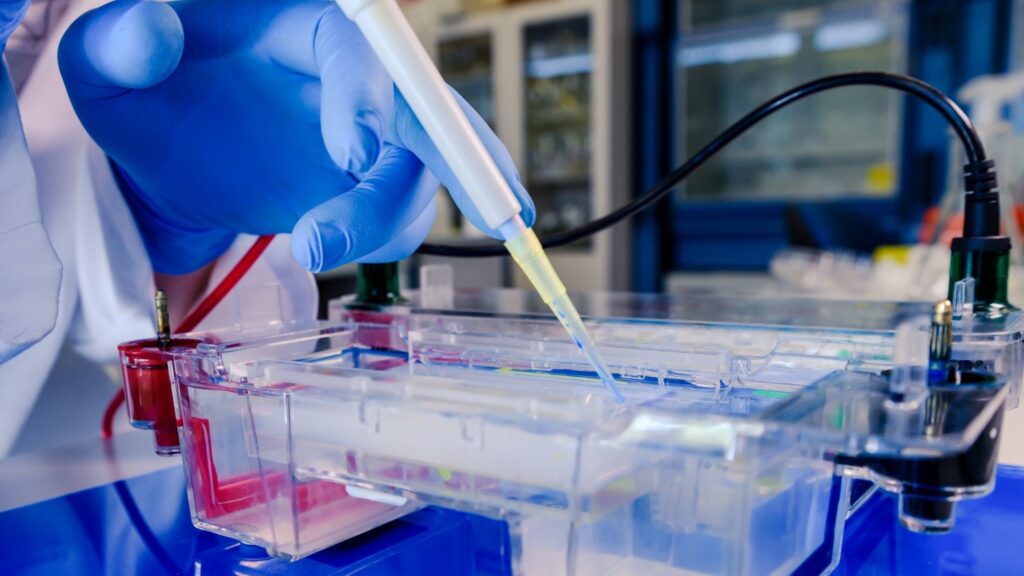
SDS PAGE stands for Sodium Dodecyl Sulfate Polyacrylamide Gel Electrophoresis. This method separates proteins based primarily on molecular weight. During preparation, SDS detergent unfolds proteins and coats them with a uniform negative charge. Once an electric current passes through the gel, proteins migrate according to size.
Intact proteins appear as distinct bands at expected molecular weights. Fragmented proteins produce additional lower-molecular-weight bands or smears. This visual separation makes it easier for you to identify degradation patterns early.
Because the technique is highly sensitive, even subtle fragmentation events can often be detected before they become major analytical problems.
Early Detection Prevents Experimental Failure
One major advantage of SDS PAGE electrophoresis is the ability to monitor protein integrity throughout an experiment or manufacturing process.
For example, if your recombinant protein begins degrading during purification, you can detect smaller fragments immediately instead of discovering the issue after functional assays fail. This helps you:
- Adjust storage conditions
- Optimize purification buffers
- Reduce freeze-thaw cycles
- Improve handling procedures
- Modify processing temperatures
By identifying fragmentation early, you save time, reduce waste, and improve reproducibility.
Monitoring Biopharmaceutical Stability
If you work in biopharmaceutical development, protein fragmentation can directly affect product safety and efficacy. Therapeutic antibodies, vaccines, and recombinant proteins are especially vulnerable to structural instability.
SDS PAGE electrophoresis provides a reliable quality control step for monitoring:
- Protein degradation during manufacturing
- Shelf-life stability
- Batch-to-batch consistency
- Stress-induced fragmentation
- Formulation compatibility
When degradation appears, the gel pattern changes immediately, allowing you to investigate the source before the product advances further in development.
Detecting Protease Activity in Samples
Proteases are enzymes that break proteins apart. Even small amounts of contamination can damage sensitive samples during preparation or storage.
SDS PAGE helps you recognize protease-related fragmentation by revealing unexpected low-molecular-weight bands. If you repeatedly observe degradation, you can respond by:
- Adding protease inhibitors
- Reducing processing time
- Keeping samples cold
- Improving purification protocols
- Using cleaner reagents
Without electrophoretic analysis, these problems may remain hidden until much later.
Comparing Treated and Untreated Samples
Another advantage of SDS PAGE electrophoresis is comparative analysis. You can run multiple samples side by side to evaluate how treatments influence protein integrity.
For example, you may compare:
- Fresh versus stored samples
- Heated versus non-heated proteins
- Different purification methods
- Drug-treated cell lysates
- Various formulation conditions
This comparison helps you determine exactly when fragmentation begins and which conditions accelerate degradation.
Supporting Accurate Western Blot Analysis
Protein fragmentation can interfere with antibody recognition in downstream assays such as western blotting. Fragmented proteins sometimes generate unexpected bands that complicate interpretation.
By performing high-resolution Sds Page Electrophoresis services for protein integrity testing before western blot analysis, you can confirm whether your target protein remains intact.
This additional validation improves confidence in your data and reduces the risk of false conclusions.
Improving Research Reproducibility
Reproducibility remains a major challenge in protein research. If protein degradation varies between experiments, your results may become inconsistent even when protocols appear identical.
SDS PAGE allows you to verify protein quality before conducting expensive downstream analyses. Consistent electrophoresis monitoring helps you:
- Standardize sample preparation
- Validate storage conditions
- Confirm purification quality
- Detect instability trends early
- Maintain experimental consistency
This proactive approach strengthens the reliability of your findings.
Why Visual Protein Separation Matters
One reason SDS PAGE remains widely used is its straightforward visual interpretation. You can directly observe protein band patterns without relying solely on indirect measurements.
Fragmentation often appears as:
- Additional faint bands
- Lower molecular weight products
- Band smearing
- Reduced intensity of intact proteins
- Multiple cleavage products
These visible indicators help you quickly determine whether further optimization is necessary.
Choosing Professional Electrophoresis Support
Accurate protein fragmentation analysis depends heavily on sample preparation, gel quality, staining sensitivity, and technical expertise. Poor technique can hide degradation or create misleading artifacts.
Working with experienced analytical laboratories improves the accuracy and consistency of your electrophoresis data. Professional testing services can help you identify subtle fragmentation patterns that might otherwise go unnoticed.
If you need expert support for protein characterization, sample analysis, or electrophoresis interpretation, Contact us today for specialized SDS PAGE electrophoresis testing support.
Conclusion
Protein fragmentation can quietly compromise your research and product quality long before major failures occur. SDS PAGE electrophoresis gives you a dependable method for detecting these changes early through clear molecular weight separation and visual analysis.
By integrating routine electrophoretic monitoring into your workflow, you can identify degradation faster, improve sample stability, and strengthen analytical confidence. Whether you work in research, diagnostics, or biopharmaceutical development, early fragmentation detection helps you maintain higher standards of protein integrity and experimental reliability.
FAQ
What is SDS PAGE electrophoresis used for?
SDS PAGE electrophoresis is used to separate proteins based on molecular weight. It helps researchers analyze protein purity, integrity, expression, and fragmentation.
How does SDS PAGE detect protein fragmentation?
Fragmented proteins appear as smaller bands below the intact protein band on the gel. These additional bands indicate protein breakdown or degradation.
Why is early protein fragmentation detection important?
Early detection helps prevent inaccurate results, product instability, and failed experiments. It also supports better quality control in research and biopharmaceutical production.
Can SDS PAGE identify degraded therapeutic proteins?
Yes. SDS PAGE is widely used in biopharmaceutical analysis to monitor degradation, aggregation, and fragmentation in therapeutic proteins and antibodies.
What causes protein fragmentation during sample preparation?
Common causes include heat exposure, oxidation, protease contamination, repeated freeze-thaw cycles, and improper storage conditions.
Is SDS PAGE useful before western blotting?
Yes. Running SDS PAGE before western blotting helps confirm protein integrity and reduces the risk of misleading antibody detection results.

