


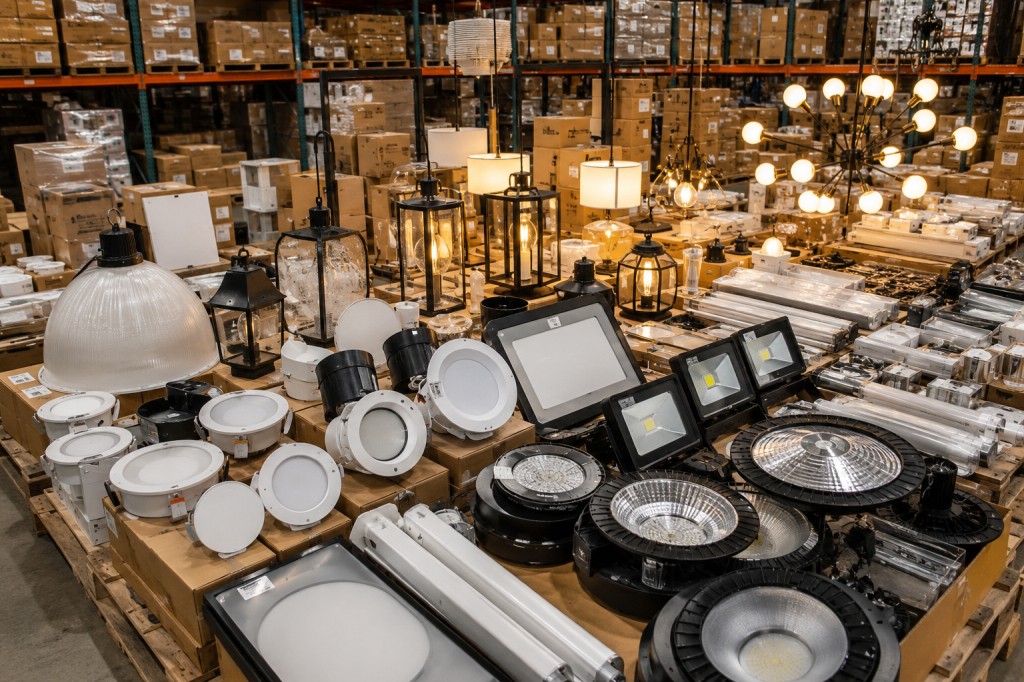
Lighting is needed in almost every type of property. Homes need it for daily tasks. Offices need it for work. Stores need it to display products. Warehouses need it for safe movement and storage. Outdoor areas also need proper lighting. Businesses often have extra lighting fixtures that they no longer need. These items may come from canceled projects, store closures, product changes or excess orders.
Instead of leaving them in storage, businesses can sell them. Buyers can also find useful products at lower prices. Overstock lighting refers to lighting products that remain unsold or unused. These products can include overstock ceiling lights, wall lights, table lamps, floor lamps and outdoor fixtures. They can also include commercial lighting made for larger spaces.
Why Buy Excess Lighting?
Extra inventory does not always mean the products have a problem. Many fixtures become surplus because a business ordered too many units. A retailer may also stop selling a certain style. A project may end before all the products are used. This creates a chance for buyers to find new or unused fixtures at a better price. Buying overstock lighting can help reduce project costs. A contractor may need many lights for an office or store. Buying surplus units can help lower the total cost. Homeowners can also find useful products. Extra fixtures can work in kitchens, bedrooms, garages, workshops and outdoor areas.
Choose the Right Type of Fixture
Start by thinking about where you need the light. The right fixture depends on the space and the job it needs to do. Ceiling lights work well in bedrooms, kitchens, offices and common rooms. Wall lights can work in hallways, bathrooms and entrances. Table and floor lamps can add light without permanent installation. Pendant lights can work above kitchen counters and dining tables. Flush mount lights are useful in rooms with low ceilings. Outdoor fixtures can light patios, walkways and entrances. Knowing the purpose makes it easier to find the right overstock lighting for your needs.
Also Read: How to Upgrade Your Retail Space with LED Corner Lights and Smart Display Counters
Check Important Product Details
Do not choose a fixture based only on its price. Check the size and type before you buy it. Also review the bulb type, wattage and voltage. Some fixtures use standard bulbs. Others have built in LED lights. Some support dimming while others do not. Check the installation requirements too. A fixture may need special mounting parts or wiring. Make sure you can install it in the space where you plan to use it. Product labels and seller information can help you make the right choice.
Find Uses for Extra Fixtures
There are many ways to use surplus lighting. A business can install extra fixtures in an office, stockroom or showroom. A homeowner can use them during a home update. Overstock lighting can also work well for rental properties. Landlords often need simple and reliable fixtures. Buying several matching units can make future replacements easier. Small businesses can use surplus lights in shops, restaurants and offices. Matching fixtures can also give a property a more consistent look. You can keep a few extra units for future repairs if you have enough storage space.
Check the Condition
Always check the condition before buying. Many surplus fixtures are new. Some may have damaged packaging from storage or handling. Look for cracks, dents, rust and other visible damage. Check glass shades for chips or breaks. Inspect plastic covers for cracks. Also check whether all mounting parts are included. Missing parts can add extra costs later. If you are buying a large quantity, ask if the products have been tested. This can help you avoid problems after delivery.
Compare the Total Cost
A low unit price can look attractive. It does not always mean the purchase will save money. Add shipping costs to the product price. Also consider storage and any parts you may need. These costs can change the total value of the purchase. When buying overstock lighting, think about how many units you actually need. Buying ten fixtures at a low price is not useful if you only need two. Buy enough to meet your needs. If you expect future repairs, keeping a few extra units can make sense.
Look for Matching Fixtures
Matching lights can make a property look neat and consistent. This matters in offices, apartment buildings, hotels and retail spaces. When buying overstock lighting, check how many matching units are available. Look for the same model, size and finish when possible. Buying matching fixtures can also make repairs easier. You will already have similar units available if one fixture stops working. If you need a large quantity, ask the supplier about the full available stock before placing your order.
Consider Indoor and Outdoor Lighting
Indoor lighting gives you many choices. You can use ceiling lights for general room lighting. Wall fixtures can brighten hallways and entry areas. Lamps can provide extra light where needed
Outdoor lighting serves different needs. It can brighten entrances, walkways, patios and parking areas. Before buying outdoor overstock lighting, check the product rating. The fixture should suit the location where you plan to install it. Outdoor products need to handle the conditions they will face. Always follow local electrical rules when installing lighting.
Buy From a Trusted Supplier
The seller can affect the quality of your buying experience. Choose a supplier that gives clear product details. Ask about the fixture condition, quantity and source. Check model numbers when they are available. This helps you confirm that the products match your needs. Ask about return terms before buying. Clear terms can make it easier to handle damaged or incorrect products. Good product information also helps you compare different lots. You can make a better choice when you know exactly what you are buying.
Sell Unused Lighting Inventory
Businesses can also benefit from selling extra fixtures. Unused lighting takes up storage space. It can also tie up money that the business could use elsewhere. Selling surplus stock can free space and recover part of the original investment. Group similar products together when possible. Include the model number, quantity and condition in the product details. For buyers, overstock lighting can provide useful fixtures at lower prices. For sellers, it offers a way to move products that no longer fit current needs.
Final Thoughts
Surplus lighting can be useful for many projects. Buyers can find fixtures for homes, offices, stores, rental properties and outdoor spaces. The key is to buy with a clear purpose. Check the fixture type, size, condition and installation needs. Compare the full cost before placing an order. overstock lighting works best when the products fit a real need. Careful buying helps buyers control costs. It also helps businesses move unused inventory instead of keeping it in storage.

