


Have you ever wondered just how dangerous climbing onto your roof could be? What happens when things go wrong, and how can you make sure they don’t? Whether you’re clearing gutters, checking for damage after a storm, or tackling a weekend repair project, understanding roof access ladder safety isn’t just sensible it’s absolutely vital.
The truth is, ladder-related injuries send thousands of Australians to hospital every year. Many of these accidents are entirely preventable with the right knowledge and preparation. Falls from ladders rank among the most common causes of workplace injuries across the country, and DIY enthusiasts at home aren’t immune to these risks either.
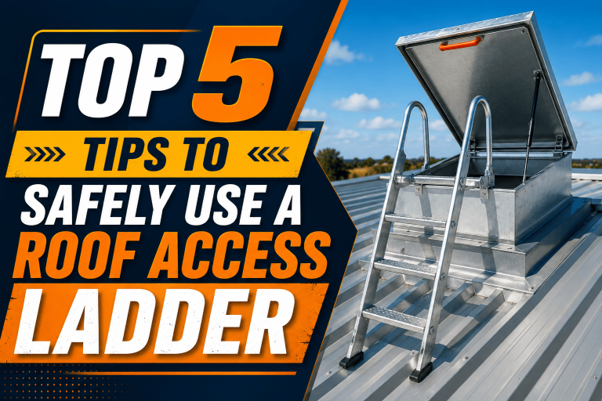
In this guide, we’ll walk you through five essential tips to keep you safe when using a roof access ladder. You’ll learn how to pick the right equipment, carry out proper inspections, set up correctly, master safe climbing techniques, and recognise when it’s time to call in the professionals. By the end, you’ll feel confident tackling roof access tasks while keeping your feet firmly planted well, at least when you need them to be.
Choosing the Right Roof Access Ladder for the Job
Before you even think about climbing, selecting the appropriate ladder makes all the difference. Not all ladders are created equal, and using the wrong type for roof access can put you in serious danger.
Understanding Different Ladder Types
So, what’s the safest type of ladder for roof access? Generally, extension ladders with a roof hook attachment offer the best combination of reach and stability. These allow you to secure the ladder to the roof ridge, preventing it from sliding sideways during use.
Fixed roof ladders permanently attached to buildings provide the most secure option for frequent access. However, for most homeowners, a quality portable extension ladder with proper safety features does the job nicely. Consider fibreglass or aluminium construction—both are lightweight yet durable, with fibreglass offering the added benefit of electrical insulation.
Weight Capacity Matters
Always check the ladder’s weight rating before purchase. This should account for your body weight plus any tools or materials you’ll carry. Australian standards require ladders to display their maximum load capacity clearly. Overloading a ladder compromises its structural integrity, so never push these limits.
Inspecting Your Ladder Before Every Use
Here’s something many people skip: checking their ladder before climbing. This simple habit could save your life.
Essential Pre-Use Safety Checks
How do you know if a ladder is safe to use? Start by examining all rungs for cracks, bends, or loose fittings. Check the rails for dents or warping. Test any locking mechanisms to confirm they engage properly. Look at the feet worn or missing rubber grips dramatically reduce stability.
Common signs of ladder wear include rust on metal components, fraying on rope mechanisms, and hairline cracks in fibreglass. If you spot any of these issues, don’t take chances. Even minor damage can lead to catastrophic failure under load.
When to Replace Your Equipment
Ladders don’t last forever. If yours shows significant corrosion, structural damage, or worn safety features, it’s time for a replacement. Think of it this way: a new ladder costs far less than a hospital stay.
Setting Up Your Ladder Correctly
Proper setup forms the foundation of safe roof access. Get this wrong, and everything else becomes irrelevant.
Finding Stable Ground
Always position your ladder on a firm, level surface. Soft ground, gravel, or uneven paving creates an unstable base. If necessary, use a ladder leveller or board to create a stable platform. Never place a ladder on boxes, barrels, or other makeshift supports.
Getting the Angle Right
What angle should a roof access ladder be placed at? The 4-to-1 rule provides your answer. For every four metres of ladder height, the base should sit one metre away from the wall. Too steep, and the ladder might tip backwards. Too shallow, and it could slide out from underneath you.
Securing Against Slipping
Use ladder stabilisers or have someone foot the ladder while you climb. Securing the top of the ladder to a solid anchor point prevents sideways movement. Many experienced tradespeople stake or tie off ladder bases for additional security.
Extension Past the Roofline
How far should a ladder extend past the roofline? At minimum, your ladder should reach at least one metre above the roof edge. This gives you something solid to grip when transitioning between ladder and roof one of the most dangerous moments during roof access.
Weather Awareness
Never use roof ladders in wet, windy, or icy conditions. Slippery rungs and unpredictable gusts create deadly combinations. If conditions deteriorate while you’re working, descend immediately and wait for better weather.
Mastering Safe Climbing Techniques
Even with perfect equipment and setup, poor climbing habits can lead to accidents.
The Three Points of Contact Rule
This fundamental principle keeps you stable throughout your climb. Always maintain three points of contact with the ladder either two hands and one foot, or two feet and one hand. This ensures you’re always anchored securely, even if one grip point fails.
How to Climb Safely
How do you safely climb a ladder to access a roof? Face the ladder directly, gripping the rails rather than the rungs. Take your time rushing causes mistakes. Keep your body centred between the rails without overreaching to either side.
When reaching the top, grip the ladder rails firmly while stepping onto the roof. Never step onto the top three rungs of an extension ladder. These aren’t designed to support your weight at the angles involved.
Carrying Tools and Equipment
Avoid carrying heavy or bulky items while climbing. Use a tool belt for small items and a rope system for larger equipment. Both hands should remain free for climbing. If you need significant gear on the roof, consider making multiple trips or having someone pass items up once you’re safely positioned.
Knowing Your Limits and When to Call a Professional
There’s no shame in recognising when a job exceeds your capabilities. In fact, it’s the smartest thing you can do.
Recognising Jobs Beyond DIY Capability
Steep roof pitches, significant heights, or complex repairs warrant professional involvement. If you feel uncomfortable at any point, that’s your instinct telling you something important. Trust it.
Do You Need a Licence to Work on a Roof in Australia?
For commercial work, absolutely. Australian workplace safety standards require specific qualifications for roof work. Even for residential tasks, certain jobs like electrical work near rooflines require licensed tradespeople. Check local regulations if you’re unsure.
Hiring Qualified Specialists
Reputable roof access specialists carry proper insurance, use professional equipment, and follow strict safety protocols. The cost of hiring professionals often pales in comparison to the risk of serious injury from a DIY attempt gone wrong.
Maintaining Your Roof Access Ladder for Long-Term Safety
Your ladder requires ongoing care to remain safe over time.
Store ladders horizontally in dry conditions, away from direct sunlight and extreme temperatures. Regular cleaning removes debris that could mask damage. How often should roof ladders be inspected? Before every single use, without exception plus a thorough check annually by someone familiar with ladder safety standards.
Key Takeaways for Safe Roof Access Ladder Use
Working at height demands respect for the risks involved. Throughout this guide, we’ve covered selecting appropriate equipment, conducting pre-use inspections, proper setup techniques, safe climbing practices, and recognising when professional help makes more sense.
The common thread running through every tip is preparation. Rushing leads to shortcuts, and shortcuts lead to accidents. Take your time selecting the right roof access ladder, setting it up correctly, and climbing with proper technique.
Your safety matters more than any rooftop task. Make sure everyone in your household understands these principles before attempting roof access. Stay safe up there, and remember when in doubt, always choose caution over convenience.

