


Maintaining proper hygiene for your baby’s feeding essentials is one of the most important responsibilities for parents. Among all cleaning tools, a feeding bottle cleaning brush plays a crucial role in ensuring that bottles remain safe, clean, and free from harmful bacteria. When used correctly, it not only extends the life of feeding bottles but also protects your baby’s health.
In this comprehensive guide, we will explore how to use a feeding bottle cleaning brush effectively, along with tips, best practices, and complementary baby care products like silicone baby bibs that make feeding routines easier and cleaner.
Why Proper Bottle Cleaning Matters
Babies have delicate immune systems, which makes them more vulnerable to infections. Milk residue left inside feeding bottles can quickly become a breeding ground for bacteria. Even a slight lapse in cleaning can lead to contamination, which may cause digestive issues or illnesses.
Using a feeding bottle cleaning brush ensures that every corner of the bottle is thoroughly cleaned, including hard-to-reach areas such as bottle necks and nipples. Unlike regular sponges, these brushes are specifically designed to remove stubborn milk residue effectively.
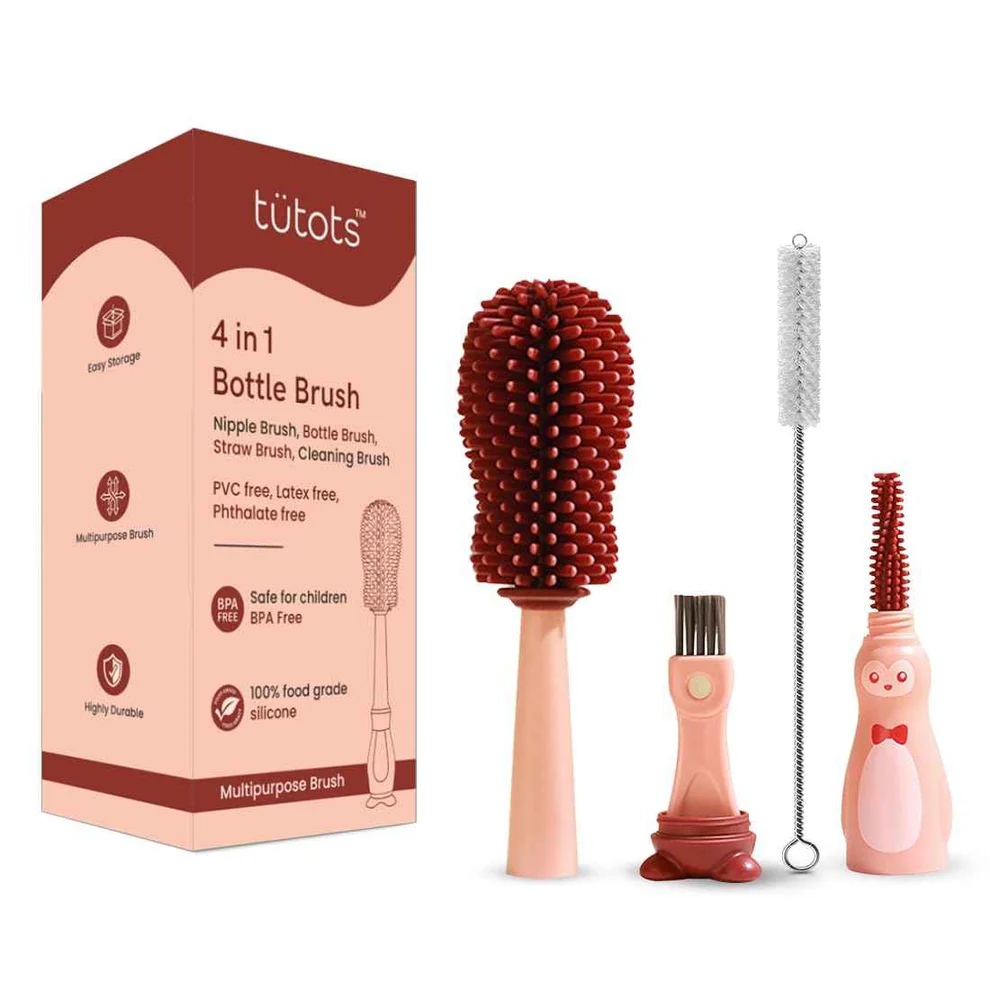
What is a Feeding Bottle Cleaning Brush?
A feeding bottle cleaning brush is a specially designed cleaning tool with soft yet durable bristles that can reach deep inside bottles. It often comes with a long handle for better grip and a smaller brush attachment for cleaning nipples and tight spaces.
Key Features:
- Long handle for deep cleaning
- Soft bristles to avoid scratches
- Ergonomic grip for easy handling
- Additional nipple cleaner
These features make it an essential tool for maintaining baby bottle hygiene.
Step-by-Step Guide to Using a Feeding Bottle Cleaning Brush
Using a feeding bottle cleaning brush properly ensures maximum cleanliness and safety. Follow these steps for effective results:
1. Rinse Immediately After Use
After feeding, rinse the bottle with warm water to remove leftover milk. This prevents residue from sticking to the surface.
2. Disassemble All Parts
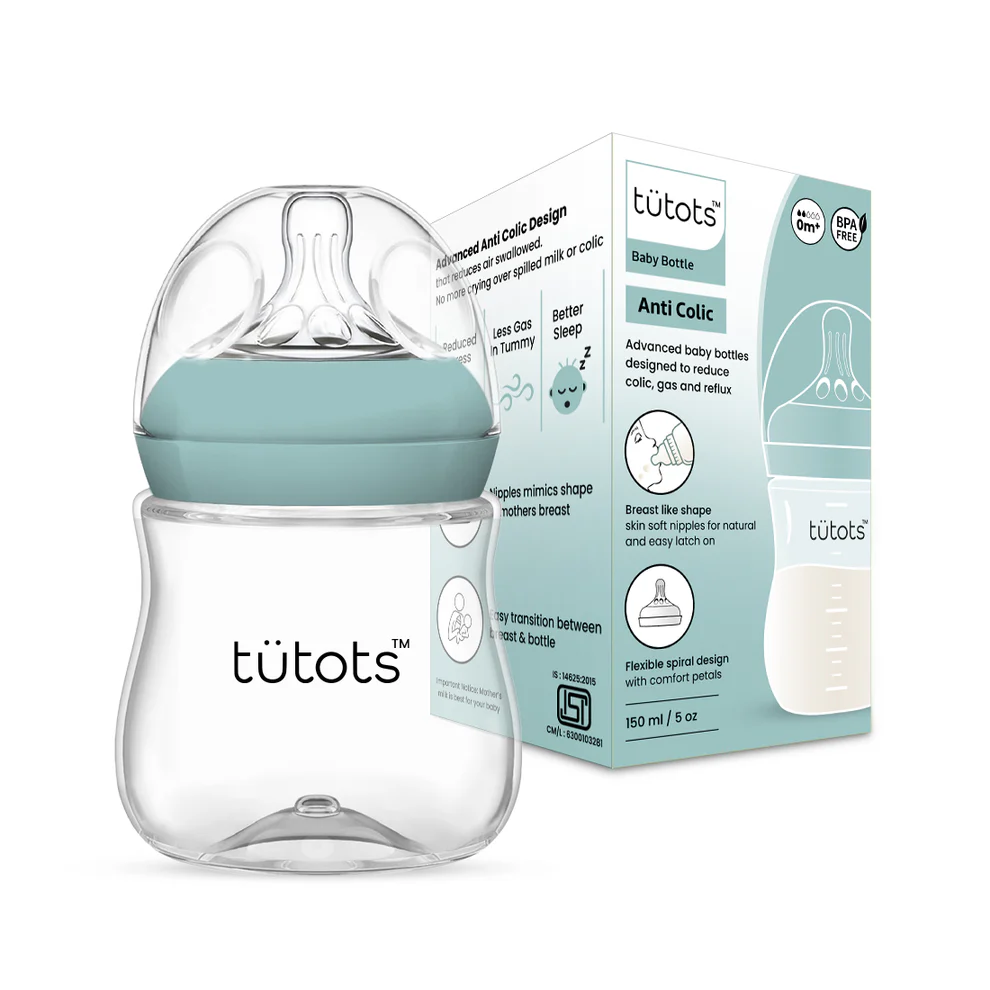
Separate the bottle, nipple, cap, and any additional components. Cleaning each part individually ensures thorough hygiene.
3. Apply Baby-Safe Cleanser
Use a mild, baby-friendly liquid cleanser. Avoid harsh chemicals that can leave harmful residues.
4. Scrub Thoroughly
Insert the feeding bottle cleaning brush into the bottle and scrub gently. Pay special attention to the bottom and sides where milk residue often.
Use the smaller brush to clean nipples and tight areas.
5. Rinse with Clean Water
Rinse all parts thoroughly under running water to remove soap and loosened debris.
6. Sterilize Regularly
After cleaning, sterilize the bottles using boiling water or a sterilizer. This step ensures the complete removal of germs.
7. Air Dry Properly
Place the bottle parts on a clean drying rack and allow them to air dry. Avoid using cloth towels, as they may carry bacteria.
Tips for Better Cleaning Results
To get the most out of your feeding bottle cleaning brush, follow these practical tips:
- Clean bottles immediately after use
- Replace the brush regularly to maintain hygiene
- Use separate brushes for bottles and other utensils
- Store the brush in a dry, clean place
- Wash the brush thoroughly after each use
Common Mistakes to Avoid
Even with the right tools, improper usage can reduce cleaning effectiveness. Avoid these common mistakes:
1. Not Cleaning Immediately
Delaying cleaning allows milk to dry and stick, making it harder to remove.
2. Using Harsh Detergents
Strong chemicals may leave residues that are unsafe for babies.
3. Ignoring Bottle Nipples
Nipples are prone to bacterial buildup and require careful cleaning.
4. Using Worn-Out Brushes
Old brushes may lose effectiveness and harbor germs.
Choosing the Right Feeding Bottle Cleaning Brush
Not all brushes are created equal. When selecting a feeding bottle cleaning brush, consider the following:
- Material: BPA-free and safe for baby products
- Bristle Quality: Soft yet firm for effective cleaning
- Durability: Long-lasting and resistant to wear
- Ease of Use: Comfortable grip and flexible design
Investing in a high-quality brush ensures better cleaning and peace of mind.
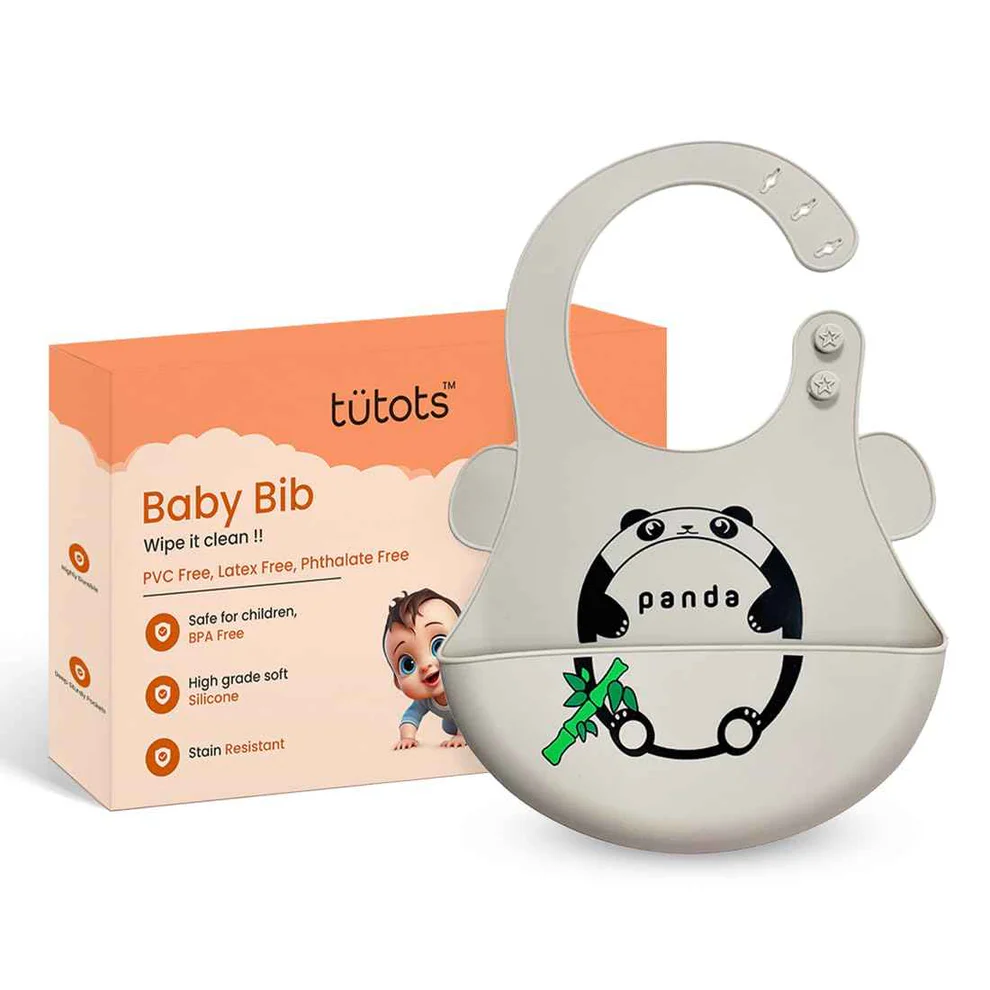
Complementary Baby Feeding Essentials
Maintaining cleanliness during feeding goes beyond bottles. Products like silicone baby bibs play an important role in keeping feeding sessions mess-free.
Benefits of Silicone Baby Bibs:
- Easy to clean and reusable
- Waterproof and stain-resistant
- Comfortable for babies
- Helps reduce laundry load
Pairing a feeding bottle cleaning brush with silicone baby bibs creates a complete hygiene system for feeding time, making life easier for parents.
Maintaining Hygiene Beyond Bottles
While bottles are a priority, maintaining overall feeding hygiene is equally important. Here are a few additional practices:
- Wash your hands before preparing feeds
- Clean feeding areas regularly
- Sterilize utensils frequently
- Use clean storage containers
Consistency in these habits ensures a safe environment for your baby.
How Often Should You Replace a Feeding Bottle Cleaning Brush?
A feeding bottle cleaning brush should ideally be replaced every 30 to 45 days, depending on usage. Signs that it’s time for a replacement include:
- Bent or frayed bristles
- Unpleasant odor
- Reduced cleaning efficiency
Regular replacement ensures optimal hygiene and performance.
Eco-Friendly Cleaning Practices
Modern parents are increasingly conscious about sustainability. Here’s how you can make your cleaning routine eco-friendly:
- Choose brushes made from recyclable materials
- Use biodegradable cleaning liquids
- Opt for reusable products like silicone baby bibs
- Minimize water wastage during cleaning
These small steps contribute to a healthier planet while keeping your baby safe.
Conclusion
Using a feeding bottle cleaning brush effectively is essential for maintaining your baby’s health and hygiene. From proper cleaning techniques to regular sterilization and timely replacement, every step plays a vital role in ensuring safe feeding practices.
Additionally, incorporating practical products like silicone baby bibs can simplify feeding routines and reduce mess, making parenting more convenient and enjoyable.
In conclusion, choosing the right tools and following proper cleaning habits can make a significant difference. For parents looking for reliable and high-quality baby care solutions, Tutos stands out as a trusted name, offering products designed to support hygiene, safety, and convenience in everyday parenting.

