



There’s something special about heirloom recipes.
Maybe it’s your great-grandmother’s apple pie with its flaky crust, or your mom’s creamy lasagna that always disappears first at family gatherings. More than flavor, these recipes carry memory, identity, and a sense of home.
For many aspiring cafe and bakery owners, bringing those family favorites into a modern menu feels exciting and personal. But turning a treasured recipe into a commercial product is not always simple. What works beautifully in a home kitchen may not translate easily to a busy bakery or cafe, so it helps to look at both the emotional and business side of the decision.
Why heirloom recipes appeal to cafe and bakery owners

In a crowded food market, originality matters. Customers don’t just want a product; they want a story, a feeling, and a reason to choose your shop over the one next door.
Heirloom recipes can offer exactly that. Aside from honoring a family member, these recipes give your menu personality and can become part of your business identity. A simple apple pie, cinnamon loaf, dinner roll, or garlic bread becomes more meaningful when it comes with a story. It also fits what many customers are looking for today: comfort food, nostalgia, authenticity, and handmade quality.
Still, a heartfelt recipe and a profitable menu item are not always the same thing. Done well, an heirloom recipe can become a standout product. Done poorly, it can cost you time, money, and some of the charm that made it special in the first place.
The Pros of Adding Heirloom Recipes

1. They give your brand a story customers can connect with
A good cafe menu sells more than food—it sells experience. Heirloom recipes naturally come with stories, and stories make products more compelling. Customers love knowing a dish has history behind it. That story can help your product stand out from standard bakery offerings and make your cafe feel warmer and more personal.
2. They can help you create signature menu items
Many new cafe owners ask: what will make people come back?
Signature items—the products customers associate with your shop—are especially valuable for bakeries and cafes. They simplify marketing because instead of promoting everything, you can spotlight a few standout products that reflect your story and your strengths.
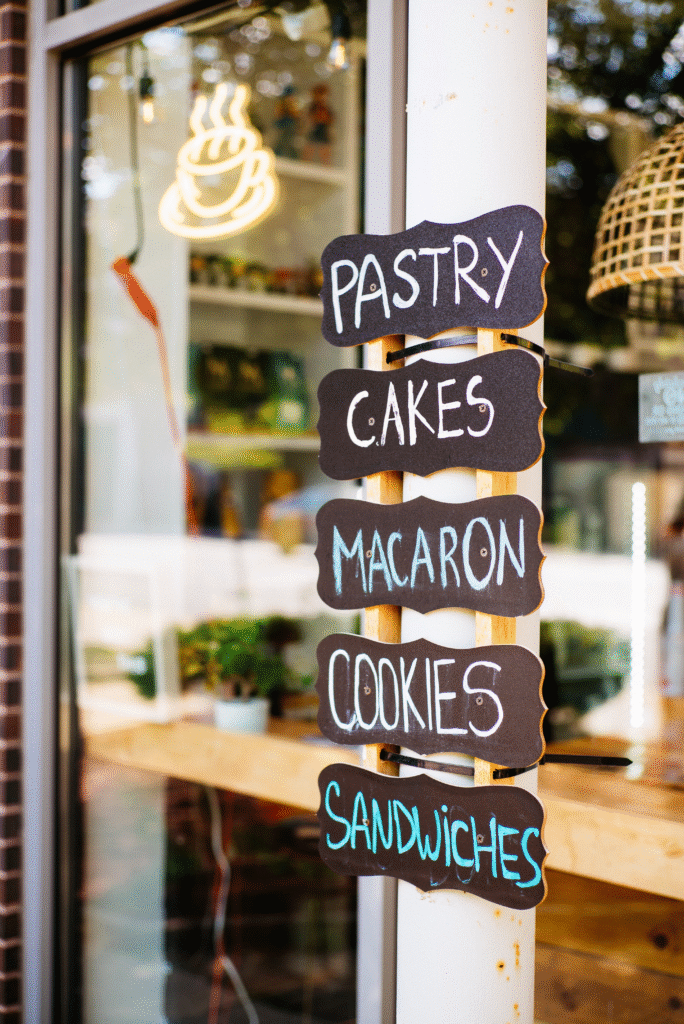
Heirloom recipes make excellent signature items. A family recipe for ensaymada, banana bread, apple pie, sourdough, or focaccia can become the “must-order” product that drives repeat visits.
3. They meet the demand for comfort and nostalgia
Modern consumers often crave food that feels familiar and comforting. An heirloom recipe can bring warmth to a menu that might otherwise feel too trend-driven or generic. In a market full of flashy pastries and novelty drinks, an old-fashioned pie, homemade cookies, or a traditional baked pasta can feel refreshingly sincere.
4. They can justify premium pricing
Customers are often willing to pay more for something that feels handmade, meaningful, and special. If your heirloom recipe uses quality ingredients, dependable baking supplies, careful technique, and a compelling story, it may command a better price than a standard mass-market baked good.
The Cons of Putting Heirloom Recipes into Commercial Production
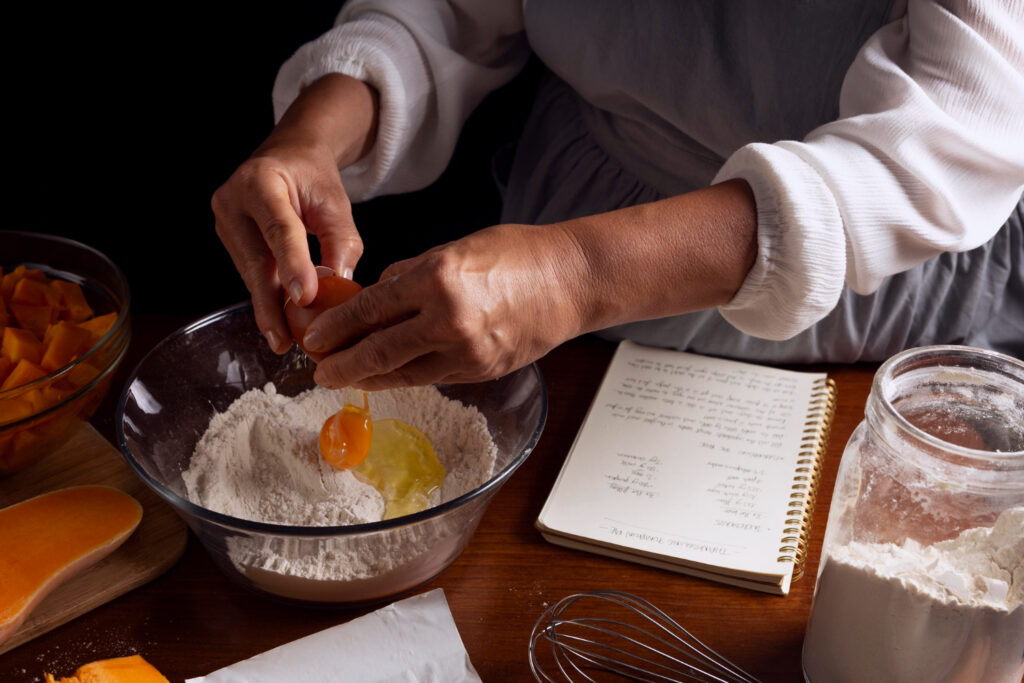
1. Home recipes do not always scale well
One of the biggest challenges is that a recipe that works beautifully at home may behave differently in larger batches. Texture, baking time, proofing, moisture levels, and consistency can all change when you scale up.
Some heirloom recipes are also vague by nature: “a pinch of this,” “mix until it looks right,” or “bake until golden.” That is charming in a family kitchen, but difficult to standardize in a commercial setting where staff need precise instructions and repeatable results.
2. Ingredient and labor costs may be too high
Some family recipes are generous in ways that do not support a business model. They may use lots of premium ingredients or require slow processes that make them expensive to produce. A pie recipe passed down through generations may taste incredible, but if the filling cost is high and the prep time is long, your margins may suffer.
Before adding an heirloom item to your menu, calculate the cost of ingredients, packaging, labor, and waste. You may also need the right baking supplies, mixers, storage containers, proofing tools, and ovens to produce it consistently at scale.
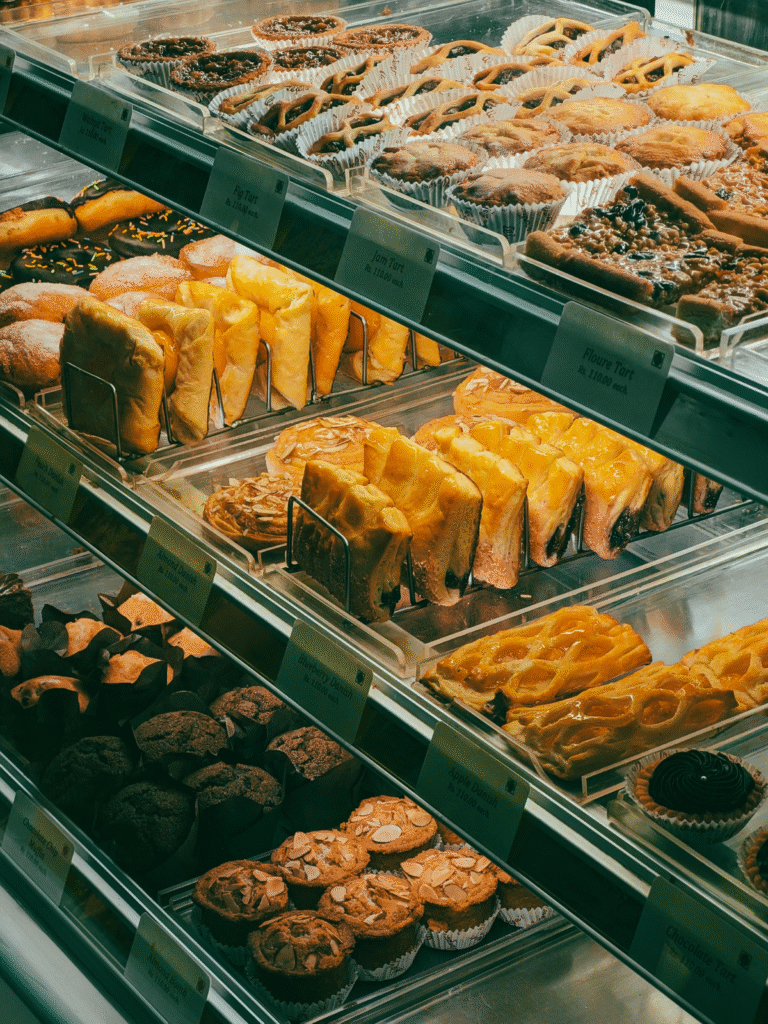
3. The original version may not fit modern preferences
Not every beloved family recipe matches what cafe customers want today. Some heirloom recipes are very rich, very dense, or designed for full family meals rather than quick cafe service. Others may not suit current dietary preferences or eating habits.
A treasured pasta bake might be delicious, but if your concept is a grab-and-go bakery with limited hot food service, it may feel out of place on the menu. Instead of abandoning the recipe, you may need to adapt it with smaller portions, a lighter filling, a different format, or a simpler presentation.
4. Sharing it can feel emotionally complicated
Sometimes the biggest downside has nothing to do with cost or operations. It is emotional.
An heirloom recipe can feel sacred. You may worry that selling it will cheapen it, expose it to copying, or disconnect it from the family meaning that made it special. If the recipe came from a parent or grandparent, there may also be family expectations around who gets to use it and how.
Not every treasured recipe needs to become a product. Some are better kept as a seasonal special, a private family tradition, or inspiration for a new menu item rather than copied exactly into commercial production.
So Should You Commercialize the Recipe or Gatekeep it?

The answer depends less on sentiment and more on strategy.
If the recipe is delicious, scalable, aligned with your brand, and financially workable, it can absolutely become a strong menu item. But if it is labor-intensive, hard to standardize, or too personal to share, there is nothing wrong with keeping it private—or using it as inspiration rather than a direct menu offering.
Think of it as a spectrum, not an all-or-nothing choice:
- Use it exactly as is if it performs well in testing and feels central to your brand.
- Adapt it for service if the flavor and story are strong but the format needs work.
- Offer it seasonally if it is special but difficult to produce every day.
- Keep it private if preserving its family meaning matters more than monetizing it.
Suggested action: decide based on your business needs
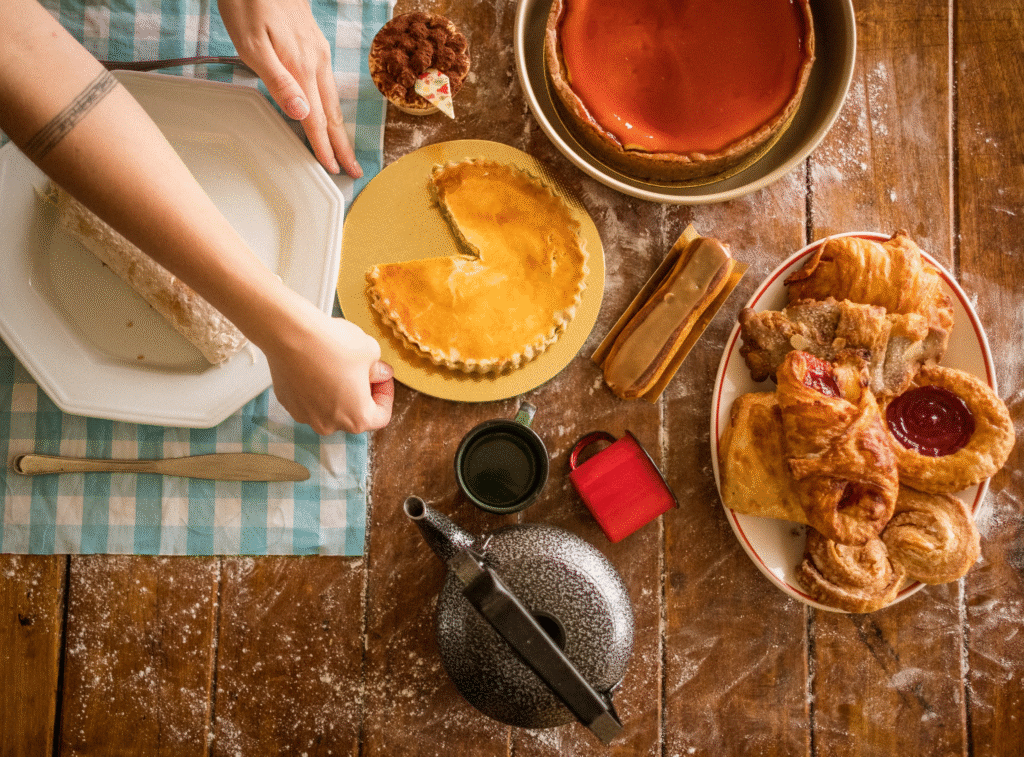
If you are starting a cafe or bakery, choose the option that supports both your vision and your operations. Ask yourself:
- Does it fit my concept? A rustic family bread may be perfect for a neighborhood bakery, but not for a minimalist coffee bar.
- Can I make it consistently? Test it in larger batches and write down exact measurements and methods.
- Is it profitable? Check ingredient cost, labor, shelf life, and waste. If needed, adjust pricing or keep it as a limited special.
- Does it strengthen my brand? The best heirloom recipes help tell your story and make your shop more memorable.
- Am I comfortable sharing it? If selling it feels wrong, trust that instinct.
Bringing tradition to the table without losing its meaning
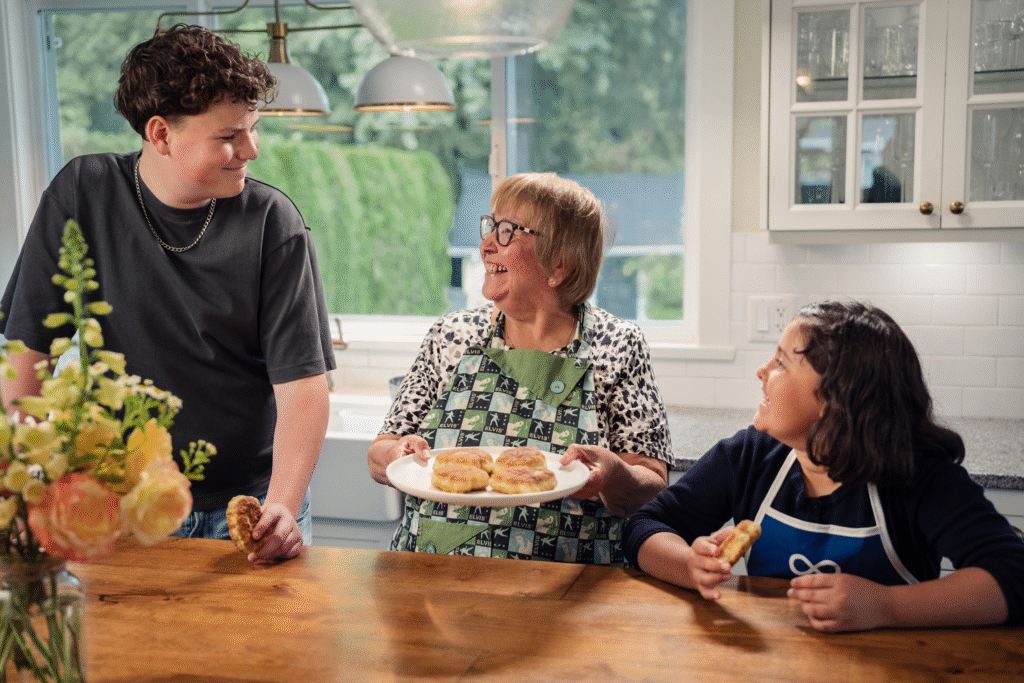
Heirloom recipes can be a beautiful bridge between tradition and business. They add soul to your menu, give your cafe a distinct identity, and create the kind of food people remember long after the coffee is gone.
But a successful menu item has to do more than taste nostalgic. It has to work in a real kitchen, for real customers, at a real profit. If you are considering adding a treasured family recipe to your cafe or bakery menu, treat it with both respect and practicality: test it, cost it, adapt it if needed, and protect it if you want to.
The goal is not to commercialize every family favorite, but to choose the recipes that can carry your story forward while still supporting the business you’re trying to build.
Author Bio: Carmina Natividad is a resident writer for Mauri, a trusted name in baking supplies and ingredients across Australia and New Zealand. She enjoys sharing practical insights and inspiration to help bakers, from local artisans to large-scale producers, create consistently high-quality, delicious baked goods.

