


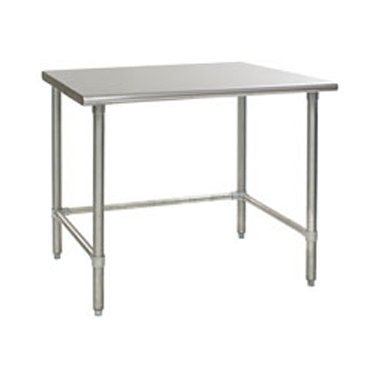
When you work in a controlled environment, every surface can influence contamination risks. Your tables must support cleanroom procedures, resist cleaning chemicals, and prevent particles from accumulating around work areas. Choosing the right design helps you maintain hygiene, protect sensitive materials, and improve workflow efficiency. To specify the right table, evaluate your cleanliness requirements, construction materials, surface finish, load capacity, and compatibility with your cleaning procedures before making a purchase.
Define Your Cleanroom Classification and Application
Start by identifying your cleanroom classification and the activities performed at each workstation. Pharmaceutical production, electronics assembly, laboratory testing, and medical device manufacturing have different contamination-control requirements.
Your table specification should reflect the room’s cleanliness standards and the sensitivity of the products or samples you handle. Consider whether your workspace requires strict particle control, protection against chemical exposure, or surfaces suitable for frequent disinfection.
Before selecting a table, determine:
Cleanroom classification: Identify the applicable ISO cleanroom class and any industry-specific requirements.
Workstation purpose: Establish whether you will use the table for sample preparation, equipment placement, assembly, inspection, or material handling.
Contamination risks: Consider particles, liquid spills, chemical residues, and microbial contamination where relevant.
Operating procedures: Review your cleaning schedules, handling practices, and environmental monitoring requirements.
Your table should support your cleanroom’s validated procedures rather than introduce additional contamination risks.
Select Materials That Support Cleanability
The material you choose directly affects how easily you can maintain a clean surface. Stainless steel is a common option because it offers durability, corrosion resistance, and a smooth surface suitable for many controlled environments.
However, you should evaluate the specific stainless steel grade and finish against your cleaning agents, process chemicals, and operating conditions. Grade 304 may suit many general applications, while grade 316 or 316L may be appropriate when greater resistance to certain corrosive substances is needed. Confirm compatibility with your actual chemicals before specifying either grade.
Consider these material requirements:
Non-shedding construction: Choose materials and finishes that minimize particle generation during normal use.
Chemical compatibility: Confirm resistance to disinfectants, cleaning solutions, and process chemicals.
Smooth surfaces: Avoid rough finishes that make residue removal difficult.
Corrosion resistance: Select materials suited to your moisture levels and operating conditions.
Durable construction: Ensure the table can withstand repeated cleaning without surface deterioration.
For your purchasing research, compare stainless steel cleanroom tables for controlled laboratory and production environments to identify designs that match your application and maintenance requirements.
Specify a Design That Minimizes Contamination Traps
Even a suitable material can create cleaning challenges if the table design contains unnecessary gaps, exposed fasteners, or difficult-to-reach corners.
Choose a configuration that allows you to clean the work surface, edges, supports, and surrounding floor area effectively. Welded construction, smooth joints, and accessible structural components can simplify maintenance when properly designed and finished.
Your specification should address:
Seam construction: Prefer smooth, well-finished joints that do not collect residue.
Edges and corners: Select designs that allow thorough cleaning without inaccessible crevices.
Underside accessibility: Ensure staff can inspect and clean beneath the tabletop.
Fasteners and fittings: Minimize exposed components that can trap dust or debris.
Accessories: Evaluate shelves, drawers, casters, and adjustable feet for their effect on cleanability.
Avoid adding accessories simply because they are convenient. Every additional component creates another surface that may require inspection and cleaning.
Determine the Correct Size, Height, and Load Capacity
Your table must fit the available cleanroom space without obstructing personnel movement, cleaning access, or airflow arrangements.
Measure the intended installation area before specifying dimensions. Include clearance for nearby equipment, doors, carts, and routine maintenance. Your layout should also preserve any required airflow paths around critical work areas.
Specify the following dimensions and performance characteristics:
Length and width: Provide sufficient workspace without overcrowding the room.
Working height: Match the table to the task and the operator’s posture.
Load capacity: Account for equipment weight, stored materials, and expected working loads.
Stability: Choose a rigid structure that minimizes movement during precision work.
Mobility: Use casters only when necessary, and verify their cleanroom suitability and locking capability.
For ergonomic workstations, consider how table height and reach distance affect repetitive tasks. Proper positioning can reduce unnecessary bending, stretching, and operator fatigue.
Match the Table to Cleaning and Environmental Controls
Your cleaning procedure should guide your final table specification. A table that looks suitable initially may become difficult to maintain if its finish degrades, its joints retain residue, or its accessories are incompatible with disinfectants.
Review the manufacturer’s documentation for recommended cleaning methods, chemical compatibility, and maintenance requirements. If your process uses aggressive chemicals or frequent disinfection, verify the expected service life of exposed surfaces and components.
You should also consider the table’s interaction with the wider cleanroom environment. Avoid configurations that obstruct supply-air distribution or interfere with localized airflow around sensitive operations. Where electrostatic discharge (ESD) presents a risk, specify an appropriate ESD-control design and verify that the complete workstation meets your facility’s requirements.
Document your acceptance criteria before installation. These may include surface condition, dimensional accuracy, load rating, cleanability, and compatibility with approved cleaning procedures.
Finalize Your Procurement Checklist
Before placing an order, prepare a written specification that your supplier can review. This reduces ambiguity and helps you compare products based on operational requirements rather than price alone.
Your checklist should include:
- Intended cleanroom classification and application.
- Table dimensions and working height.
- Material grade and surface finish.
- Construction details and cleanability requirements.
- Maximum working load and stability requirements.
- Compatibility with cleaning agents and process chemicals.
- Required accessories, ESD controls, and mobility features.
- Documenstation, inspection, and maintenance expectations.
Review your requirements with a supplier before finalizing the purchase. Global Lab Supply offers laboratory and cleanroom equipment to support different controlled-environment applications. Explore the available cleanroom table options for laboratory workstations and contamination-sensitive operations and confirm the specifications needed for your facility.
If you need help evaluating dimensions, construction materials, or application requirements, contact Global Lab Supply for cleanroom table selection assistance.
Frequently Asked Questions
1. What material is best for cleanroom tables?
Stainless steel is a common choice because of its durability, corrosion resistance, and cleanability. The appropriate grade and finish depend on your cleaning chemicals, process conditions, and facility requirements.
2. How do cleanroom tables help control contamination?
Properly designed tables provide smooth, cleanable work surfaces and minimize areas where particles or residues can accumulate. Their effectiveness also depends on correct cleaning, maintenance, and integration with cleanroom procedures.
3. Should cleanroom tables have wheels?
Use mobile tables when flexibility or equipment relocation is necessary. Select cleanroom-compatible casters that are easy to clean and lock securely. Fixed tables may be preferable when stability and minimal movement are priorities.
4. How do you choose the right cleanroom table size?
Measure your available floor space, equipment footprint, and required working area. Account for operator ergonomics, cleaning access, and airflow requirements before confirming the table’s dimensions and height.
5. What should you verify before purchasing a cleanroom table?
Check the material grade, surface finish, load capacity, construction quality, dimensions, chemical compatibility, and cleaning requirements. Confirm any applicable cleanroom, ESD, or industry-specific requirements with your facility’s quality or contamination-control team.

