


Cloud computing is no longer a future skill — it is the present reality. In 2026, the demand for cloud professionals has reached an all-time high, and two names dominate every conversation: Amazon Web Services (AWS) and Google Cloud Platform (GCP). Both are powerful, both are growing, and both offer exceptional career paths.
But when it comes to picking one, the choice matters more than you think. Your certification, your job prospects, your salary — all of it depends on which cloud ecosystem you commit to. So let us break it down, clearly and practically.
AWS vs Google Cloud: Where the Job Market Stands in 2026
Before diving into skills and certifications, it helps to understand where the jobs actually are. Here is what the current market looks like
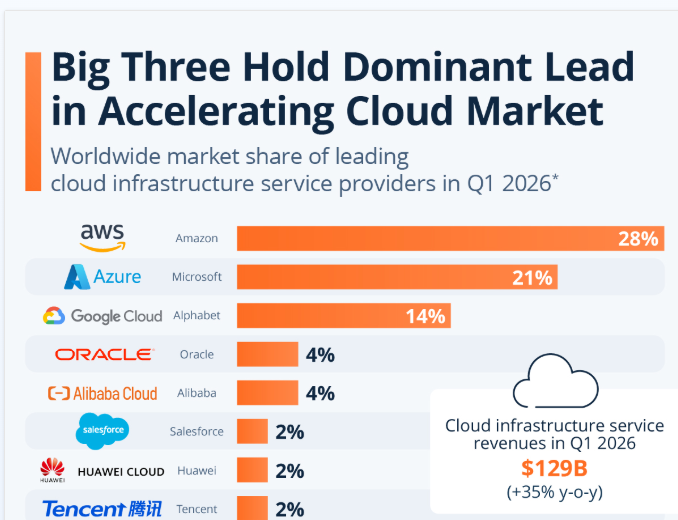
Source: https://www.statista.com/chart/18819/worldwide-market-share-of-leading-cloud-infrastructure-service-providers/
- AWS holds approximately 28% of the global cloud market share, making it the undisputed market leader.
- Google Cloud holds around 14% market share but is growing faster than any other major provider.
- AWS job listings consistently outnumber Google Cloud roles by a ratio of nearly 3:1 on major job platforms.
- Google Cloud roles tend to cluster around AI, data engineering, and machine learning — niche but extremely high-paying.
- AWS roles span a broader range — developers, architects, DevOps engineers, security specialists, and more.
If raw volume of opportunities is your priority, AWS leads. If you want to specialize in data or AI-driven roles, Google Cloud is a smart, long-term bet.
Explore: AWS Concepts Every Developer Should Know
AWS vs Google Cloud : What Employers Actually Want
AWS Developer Essentials equips professionals with hands-on competency in deploying scalable applications, managing cloud infrastructure, and working with serverless architectures. These are skills that directly map to job descriptions posted by top-tier companies.
Google Cloud, on the other hand, is highly valued in organizations that deal with large-scale data pipelines, Kubernetes workloads, and machine learning model deployment. If you are targeting companies like Spotify, Twitter, or data-heavy startups, Google Cloud skills may open those specific doors.
That said, AWS Developer Essentials remains the most universally accepted skill set across industries. From MNCs to mid-size product companies, AWS-certified developers are in high demand across the board.
AWS vs Google Cloud: Salary Comparison
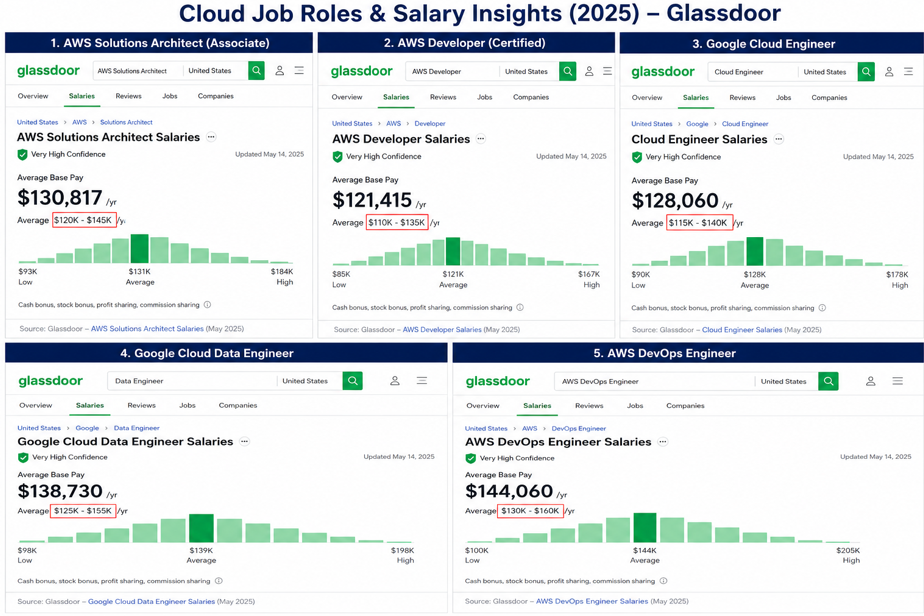
Salary is always a deciding factor, and both platforms offer competitive packages. Here is a general breakdown based on current market data:
- AWS Solutions Architect (Associate): $120,000 – $145,000/year
- AWS Developer (Certified): $110,000 – $135,000/year
- Google Cloud Engineer: $115,000 – $140,000/year
- Google Cloud Data Engineer: $125,000 – $155,000/year
Both platforms offer strong packages. However, AWS roles are more abundant, which means more negotiating power and more career flexibility over time.
Explore: AWS Salary in India 2026
Key Certifications That Define Your Career Track in Both Platforms
Certifications signal credibility to employers, and both AWS and Google Cloud have structured paths. Here is what matters most in 2026:
- AWS Certified Developer – Associate is one of the most recognized and widely required credentials in the job market today.
- AWS Certified Solutions Architect is ideal for professionals aiming at architecture and infrastructure roles.
- Google Associate Cloud Engineer is the entry-level credential for GCP and is valued heavily in data and AI teams.
- Google Professional Data Engineer is extremely lucrative and ideal if you plan to specialize in data engineering.
- Professionals who hold both an AWS and a Google Cloud certification report significantly higher offer rates during job searches.
Building your foundation with AWS Developer Fundamentals before sitting for any certification exam dramatically improves your chances of passing on the first attempt.
Which Platform Is Easier to Learn for Beginners?
For beginners entering cloud computing, AWS can initially feel overwhelming because of its vast number of services. However, AWS provides extensive documentation, tutorials, certifications, and community support that make learning manageable over time.
Google Cloud is often considered more beginner-friendly due to its cleaner interface and simplified service structure. Developers familiar with Google products may adapt to GCP faster.
Beginner Learning Factors
- AWS offers a massive learning ecosystem and training resources.
- Google Cloud provides a simpler and more intuitive interface.
- AWS certifications are more recognized globally.
- GCP is easier for professionals focused on AI and analytics.
- AWS has stronger long-term career scalability.
Why Cloud Careers Are Booming and Why 2026 Is the Right Year to Start?
The global cloud services market is expected to surpass $1 trillion by 2026, and companies are hiring cloud talent faster than universities can produce it. Every industry — from healthcare to fintech to e-commerce — is migrating its infrastructure to the cloud.
This surge means one thing for professionals: massive opportunity. Whether you are a fresher or a working professional looking to switch, cloud skills are your fastest route to a high-paying, future-proof career. The only question is — do you go with AWS or Google Cloud?
Final Verdict: AWS or Google Cloud — Which Should You Choose in 2026?
Here is the honest answer: it depends on your career goal. But if you are just starting out and want maximum job opportunities with a clear, structured learning path — AWS is the smarter first move.
The breadth of AWS Developer Essentials training, the sheer volume of job postings, and the platform’s dominance across global enterprises make it the most practical starting point. Once you have built a solid foundation through AWS Developer Fundamentals, you can always layer in Google Cloud specializations later.
Google Cloud is not a lesser platform — it is just more specialized. If data engineering, AI/ML, or Kubernetes are your end goals, GCP will eventually become essential in your toolkit.
In 2026, the best cloud professional is not the one who picked the “right” platform — it is the one who learned deeply, certified early, and stayed consistent. Start with AWS Developer Essentials, build your fundamentals strong, and let the market reward your expertise.

