


A comfortable car interior depends on more than seats and dashboard design. The flooring also plays an important role in keeping the cabin clean, reducing discomfort, and improving the overall driving experience. Choosing the right car floor carpet helps protect the original floor from dust, spills, moisture, and everyday wear. Along with suitable flooring materials, sound insulation can make journeys more peaceful by limiting unwanted road and engine noise. Understanding these interior components helps car owners make practical decisions that improve comfort, protect the vehicle, and support long-term interior maintenance.
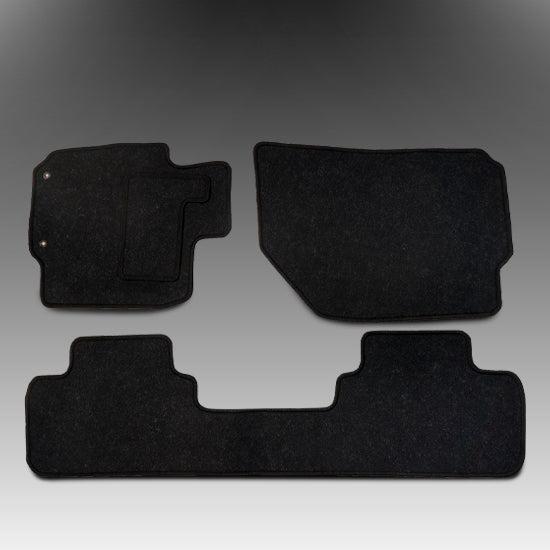
Why Is Car Flooring Important?
Car flooring faces daily exposure to dirt, water, footwear, and changing weather conditions. Without proper protection, the original floor covering may become stained, worn, or difficult to clean. A suitable flooring solution helps maintain the cabin’s appearance while making routine maintenance easier.
Here are some key reasons to pay attention to car flooring:
- Interior protection: Helps prevent scratches, stains, and damage caused by everyday use.
- Better cleanliness: Makes it easier to remove dust, mud, food particles, and other debris.
- Improved comfort: Provides a finished surface under the feet of drivers and passengers.
- Cabin appearance: Supports a neat, coordinated interior when the material and color match the vehicle.
- Long-term maintenance: Helps preserve the condition of the underlying floor when properly fitted and maintained.
Choosing appropriate flooring is particularly useful for vehicles that experience frequent travel, family use, or regular exposure to dusty and wet conditions.
How to Choose the Right Car Floor Carpet
Selecting suitable flooring requires attention to material, fit, durability, and maintenance. The best option depends on how the vehicle is used and the conditions it regularly encounters.
1. Consider the Material
Different materials offer different levels of comfort, water resistance, and ease of cleaning.
- Carpet fabric: Provides a soft feel and a traditional interior appearance. It is suitable for owners who prefer a comfortable cabin finish.
- Rubber: Offers practical protection against mud and water. It is generally easy to wash and suitable for demanding daily use.
- Synthetic materials: Can provide a balance between durability, appearance, and maintenance requirements.
- Multi-layer materials: May combine a finished upper surface with backing layers designed to improve support and reduce the transmission of unwanted noise.
Consider the local climate and your cleaning routine before making a decision.
2. Check the Fit and Coverage
Proper fitting is essential for both appearance and safety. Flooring that is too large may fold or interfere with the pedals, while poorly shaped pieces can leave areas of the original floor exposed.
Before purchasing, check that the flooring:
- Matches the vehicle’s floor dimensions.
- Covers the intended areas without blocking access to seat adjustments.
- Remains securely positioned during entry, exit, and driving.
- Does not interfere with the accelerator, brake, or clutch pedals.
Vehicle-specific designs are generally preferable because they account for the shape and layout of the cabin.
3. Evaluate Cleaning Requirements
Some materials can be cleaned with a simple wipe, while fabric surfaces may require vacuuming and occasional deeper cleaning. If the car regularly carries children, pets, or outdoor equipment, a material that handles frequent cleaning can be a practical choice.
Understanding Car Damping Sheets and Their Role
Road noise, engine vibrations, tyre contact, and loose body panels can contribute to an uncomfortable driving environment. Sound insulation materials are used to address these issues by reducing the transmission or resonance of unwanted sound and vibration.
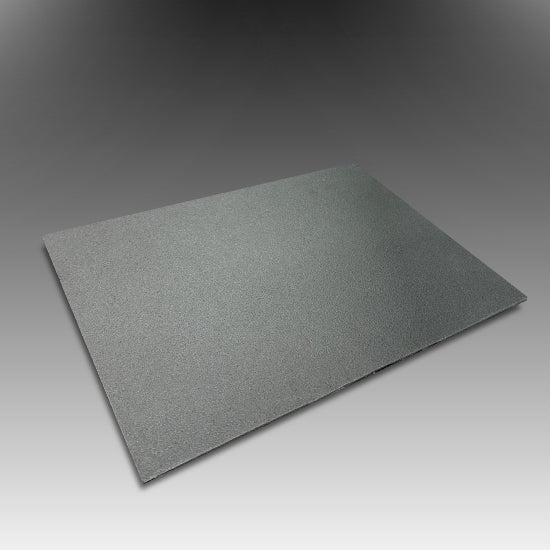
A car damping sheet is commonly applied to suitable vehicle panels, such as doors, floors, and selected body sections. These materials are designed to reduce panel vibration, especially when the sheet is bonded correctly to a suitable surface.
However, damping materials do not eliminate every type of noise. Their effectiveness depends on the material’s properties, the area treated, the vehicle’s construction, and the source of the sound.
Where Can Damping Materials Be Installed?
Different parts of a vehicle can contribute to cabin noise. The treatment area should be selected according to the problem being addressed.
- Doors: Helps control vibrations in large metal panels and may reduce resonance from speakers.
- Floor panels: Can help limit vibration transmitted through the vehicle’s structure.
- Wheel arch areas: May help reduce certain road and tyre-related vibrations when appropriately treated.
- Boot and rear panels: Can address resonance in suitable body sections.
- Roof panels: May benefit from treatment where panel vibration is a concern, subject to vehicle-specific requirements.
Installation should preserve drainage paths, wiring access, service points, and any factory safety features.
Car Floor Carpet vs. Sound Damping Materials
Although these products may be used together, they serve different purposes. Understanding their functions helps car owners choose the right combination for their needs.
| Feature | Car Floor Carpet | Damping Material |
| Main purpose | Floor protection and interior finish | Reduction of panel vibration |
| Typical location | Cabin floor | Doors, floor panels, and selected body sections |
| Surface | Usually a finished, visible covering | Generally installed beneath trim or interior panels |
| Cleaning | Depends on the material | Usually requires no routine surface cleaning after installation |
| Installation | Fitted over the appropriate floor area | Bonded to suitable, prepared vehicle panels |
A finished floor covering is not automatically a soundproofing solution. Likewise, damping material is not intended to replace the visible flooring. When selected and installed correctly, the two can complement each other.
How to Improve Cabin Comfort Through Better Installation
Good materials can deliver disappointing results when installation is rushed or unsuitable. Careful preparation is therefore important.
Follow These Installation Practices
- Inspect the existing floor: Look for moisture, rust, damaged trim, and loose components before installing anything.
- Clean the surface: Remove dirt and residue so that adhesives and fittings can work as intended.
- Measure accurately: Confirm the dimensions and shape of each treatment area before cutting materials.
- Follow manufacturer guidance: Use the recommended application method, adhesive, and installation conditions.
- Check all moving parts: Make sure seats, seatbelts, pedals, and other controls operate without obstruction.
- Reassemble carefully: Restore trim, wiring connections, clips, and other components correctly.
For damping work, avoid covering drain holes or adding material near hot components or electrical equipment unless the product is specifically suitable for that application.
Common Mistakes to Avoid
A few avoidable mistakes can affect comfort, safety, and durability.
- Choosing only by price: Very inexpensive materials may not provide the desired fit, durability, or performance.
- Ignoring moisture: Installing new flooring over a damp surface can trap moisture and contribute to unpleasant odors or corrosion.
- Using excessive material: More coverage does not always mean better results. Added weight and poor placement can create problems.
- Expecting complete silence: Damping materials can reduce certain vibrations, but other noise sources may require different treatments.
- Neglecting maintenance: Dirt, spills, and moisture should be addressed promptly to keep the interior in good condition.
A balanced approach considers the vehicle’s requirements, material compatibility, installation quality, and safety.
How to Maintain Your Car’s Interior Flooring
Regular maintenance helps preserve both appearance and usability. A simple routine can prevent dirt from accumulating and make cleaning less time-consuming.
Practical Maintenance Tips
- Vacuum fabric surfaces regularly to remove dust and loose particles.
- Clean spills promptly using a product suitable for the material.
- Allow wet flooring to dry completely before putting it back in place.
- Inspect the edges and fixing points for movement or wear.
- Check beneath removable coverings periodically for moisture or trapped debris.
- Replace damaged or poorly fitting sections when they become difficult to secure safely.
These steps help maintain a cleaner cabin and make it easier to identify developing problems before they become more serious.
Conclusion
A well-maintained car interior combines practical flooring, suitable insulation, and careful installation. Choosing the right car floor carpet protects the cabin, while a properly selected car damping sheet can help control unwanted panel vibrations. Both require attention to material quality, fit, compatibility, and maintenance. Vehicle owners should assess their driving conditions and specific comfort concerns before investing in upgrades. With over 35 years of expertise in noise, vibration, and harshness solutions, Paramat brings established industry experience to automotive sound deadening, helping customers make informed decisions about improving their driving environment.

