


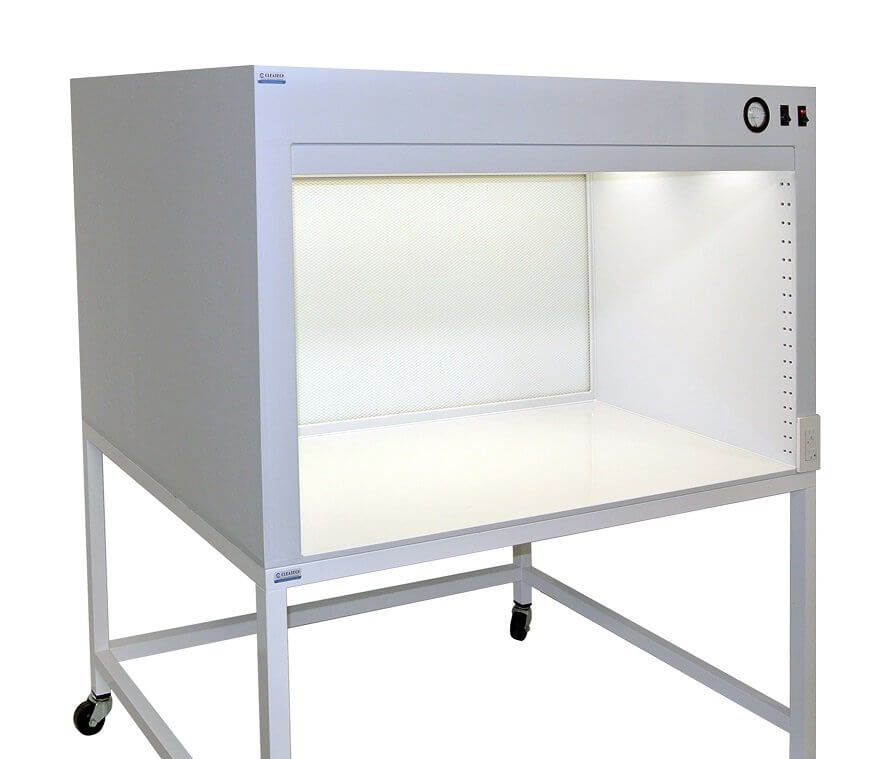
When you operate a cleanroom or laboratory, energy consumption quickly becomes a major operational expense. Equipment that runs continuously, especially airflow systems, can significantly increase utility costs if not designed for efficiency. That is why choosing the right horizontal flow hood matters. An energy-efficient hood helps you maintain contamination control while reducing power usage, lowering maintenance demands, and improving long-term productivity.
A horizontal flow hood creates a clean working environment by directing HEPA-filtered air horizontally across the workspace. Because the airflow moves uniformly from the back of the hood toward the operator, particles are pushed away from sensitive materials. This design is commonly used in electronics, pharmaceutical preparation, medical device manufacturing, and laboratory testing environments.
However, not all flow hoods perform with the same level of efficiency. Several factors determine whether your system operates economically without compromising cleanliness standards.
High-Efficiency Motors Reduce Power Consumption
One of the biggest contributors to energy efficiency is the motor powering the blower system. Older flow hoods often rely on conventional AC motors that consume more electricity and generate excess heat. Modern systems use electronically commutated motors (EC motors), which require less energy while delivering consistent airflow.
When you invest in a high-quality energy-efficient Horizontal Flow Hood for cleanroom applications, you benefit from motors designed for lower operational costs. EC motors automatically adjust performance based on airflow demand, preventing unnecessary energy usage during lighter workloads.
Efficient motors also reduce strain on internal components, helping extend equipment lifespan and reduce replacement costs.
HEPA Filter Design Plays a Major Role
HEPA filters are essential for maintaining contamination-free airflow, but they can also affect energy usage. Poorly designed filters create excessive airflow resistance, forcing the blower motor to work harder.
Energy-efficient horizontal flow hoods use low-pressure-drop HEPA filters. These filters maintain excellent particle capture performance while allowing air to pass through more easily. Because the blower does not need to operate at maximum power continuously, your system consumes less electricity over time.
Proper filter sizing also matters. Oversized or improperly fitted filters increase airflow turbulence and waste energy. A well-engineered hood balances airflow velocity with filtration efficiency for optimal performance.
Variable Speed Controls Improve Efficiency
A hood operating at full power all day wastes substantial energy, especially during periods of low activity. Variable speed controls solve this problem by allowing airflow adjustments based on your operational needs.
Many advanced horizontal flow hoods include adjustable fan speed settings that help you optimize airflow without overusing power. During non-critical procedures, lower airflow settings can maintain adequate cleanliness while reducing electricity consumption.
Smart airflow management also minimizes unnecessary wear on motors and filters, which lowers maintenance expenses and extends system reliability.
LED Lighting Minimizes Energy Waste
Lighting inside a flow hood operates for long hours, making energy-efficient illumination important. Traditional fluorescent lights consume more electricity and generate additional heat inside the workspace.
Modern horizontal flow hoods use LED lighting systems that consume less energy while providing brighter and more consistent visibility. LEDs also produce less heat, which helps maintain stable internal temperatures and reduces cooling demands in temperature-sensitive environments.
Long-lasting LED fixtures reduce replacement frequency, minimizing maintenance interruptions and operational costs.
Aerodynamic Design Enhances Airflow Performance
The physical design of the hood directly affects airflow efficiency. Poorly designed interiors create turbulence, forcing the fan system to work harder to maintain proper airflow patterns.
Efficient horizontal flow hoods feature smooth interior surfaces and carefully engineered airflow channels that reduce resistance. Uniform airflow distribution improves contamination control while allowing the blower motor to operate more efficiently.
A streamlined design also helps maintain stable laminar airflow, preventing dead zones or airflow disruption that can compromise cleanroom performance.
Proper Sizing Prevents Energy Overuse
Choosing the correct hood size is critical for energy efficiency. Many facilities install oversized systems assuming bigger equipment provides better protection. In reality, oversized hoods consume more electricity than necessary.
You should evaluate your workspace dimensions, process requirements, and equipment placement before selecting a flow hood. A properly sized hood delivers adequate airflow without excessive power consumption.
Compact designs are especially beneficial in laboratories with limited space because they reduce airflow volume requirements while maintaining cleanliness standards.
Preventive Maintenance Maintains Efficiency
Even the most advanced horizontal flow hood loses efficiency if maintenance is neglected. Dirty filters, clogged airflow paths, and worn blower components force the system to consume more energy.
Routine inspections help you maintain optimal performance. Replacing filters on schedule prevents airflow restrictions, while cleaning internal surfaces improves airflow consistency. Monitoring airflow velocity also helps identify performance issues before they increase operational costs.
Preventive maintenance protects your investment and ensures your hood continues operating efficiently throughout its lifespan.
Energy Efficiency Supports Sustainability Goals
Many laboratories and manufacturing facilities now prioritize sustainability alongside operational performance. Energy-efficient cleanroom equipment helps reduce environmental impact by lowering electricity consumption and minimizing waste.
Efficient horizontal flow hoods contribute to greener operations while supporting compliance with environmental and energy management initiatives. Reduced power usage not only lowers utility bills but also decreases your facility’s carbon footprint.
Businesses that prioritize sustainable equipment often improve long-term cost control while enhancing operational responsibility.
Choosing the Right Manufacturer Matters
Energy efficiency depends heavily on product quality and engineering standards. Reliable manufacturers design flow hoods using advanced airflow technology, durable components, and optimized filtration systems.
Before purchasing, evaluate airflow specifications, motor efficiency ratings, filter performance, and overall system design. Selecting a trusted manufacturer helps ensure consistent performance, reduced maintenance, and long-term energy savings.
If you need guidance selecting the right cleanroom solution, contact us today for expert horizontal flow hood recommendations tailored to your facility requirements.
Conclusion
An energy-efficient horizontal flow hood combines advanced motor technology, optimized HEPA filtration, intelligent airflow controls, and aerodynamic engineering to reduce operational costs without sacrificing contamination control. By selecting the right hood design and maintaining it properly, you can improve cleanroom performance, reduce utility expenses, and support sustainable facility operations.
Investing in energy-efficient equipment benefits your laboratory or manufacturing process for years through lower maintenance costs, improved reliability, and enhanced productivity.
FAQs
Why is a horizontal flow hood considered energy efficient?
A horizontal flow hood becomes energy efficient when it uses low-power motors, optimized HEPA filters, LED lighting, and variable airflow controls to reduce electricity consumption while maintaining clean airflow.
How do HEPA filters affect energy consumption?
HEPA filters with high airflow resistance force blower motors to work harder. Low-pressure-drop filters improve airflow efficiency and reduce overall power usage.
Are EC motors better for horizontal flow hoods?
Yes. EC motors consume less electricity, generate less heat, and provide more precise airflow control compared to traditional AC motors.
Does hood size impact energy efficiency?
Yes. Oversized hoods use more power than necessary. Selecting the correct hood size helps reduce airflow demand and improves energy efficiency.
How often should you maintain a horizontal flow hood?
Routine inspections and scheduled filter replacements should be performed regularly based on manufacturer recommendations to maintain airflow performance and energy efficiency.

